E-mail: info@gem-cablesolution.com
 Address: No.8 Yuefeng Rd, High Tech Zone, Dongtai, Jiangsu, China | No.109 Qilin East Rd, Daning, Humen, Dongguan, Guangdong, China.
 English
  English
 русский
 日本語
日本語 Español
 عربى
عربى 中文简体
中文简体



Content
- 1 What A Cable Spooling Machine Does And When You Actually Need One
- 1.1 How A Cable Spooling Machine Works: Tension Control And Traverse Mechanics
- 1.2 Anatomy Of A Cable Spooling Machine: The Major Components
- 1.3 Types Of Cable Spooling Machines On The Market Today
- 1.4 Key Specifications To Check Before Buying A Cable Spooling Machine
- 1.5 Pairing A Cable Spooling Machine With An Automatic Cable Taping Machine
- 1.6 Industries That Rely On Cable Spooling Equipment
- 1.7 Installation And Facility Requirements
- 1.8 Safety Considerations And Operator Training
- 1.9 Maintenance Practices That Extend Cable Spooling Machine Lifespan
- 1.10 Common Problems And Practical Fixes
- 1.11 Choosing Between Manual, Semi-Automatic, And Fully Automatic Models
- 1.12 Cost Considerations And Return On Investment
- 1.13 Customization Options When Ordering
- 1.14 Evaluating Suppliers: A Practical Checklist
- 1.15 Emerging Trends In Cable Spooling Technology
- 1.16 Frequently Asked Questions
- 1.16.1 What size cable spooling machine do I need for building wire production
- 1.16.2 Can one machine handle both pay off and take up duties
- 1.16.3 How does an automatic cable taping machine affect spooling tension settings
- 1.16.4 What causes a spool to loosen after it leaves the machine
- 1.16.5 Is servo tension control worth the extra cost over a magnetic powder brake
- 1.16.6 How long does a typical cable spooling machine last in continuous use
- 1.16.7 Do I need a different machine for fiber optic cable compared to copper cable
- 1.16.8 What is the difference between a taper tension setting and a constant tension setting
- 1.16.9 Can an older mechanical cable spooling machine be retrofitted with servo tension control
- 1.16.10 How often should tension calibration be checked
What A Cable Spooling Machine Does And When You Actually Need One
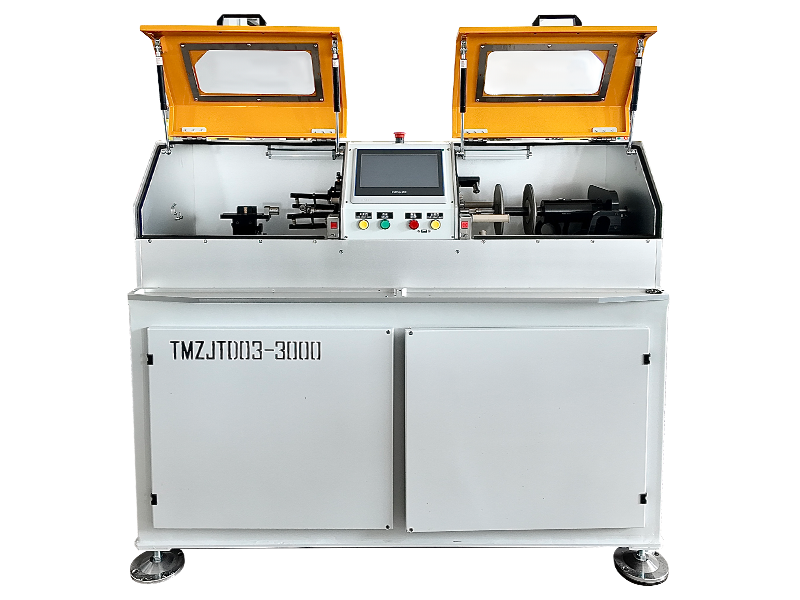
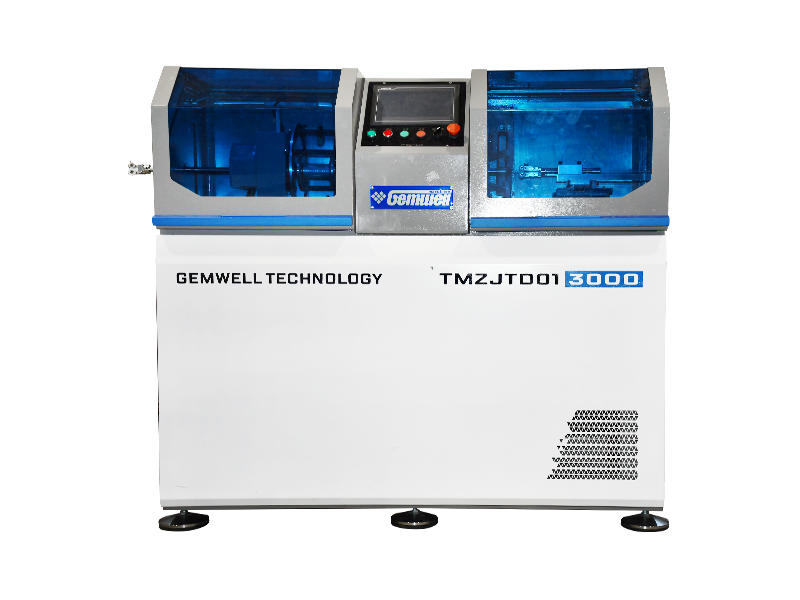
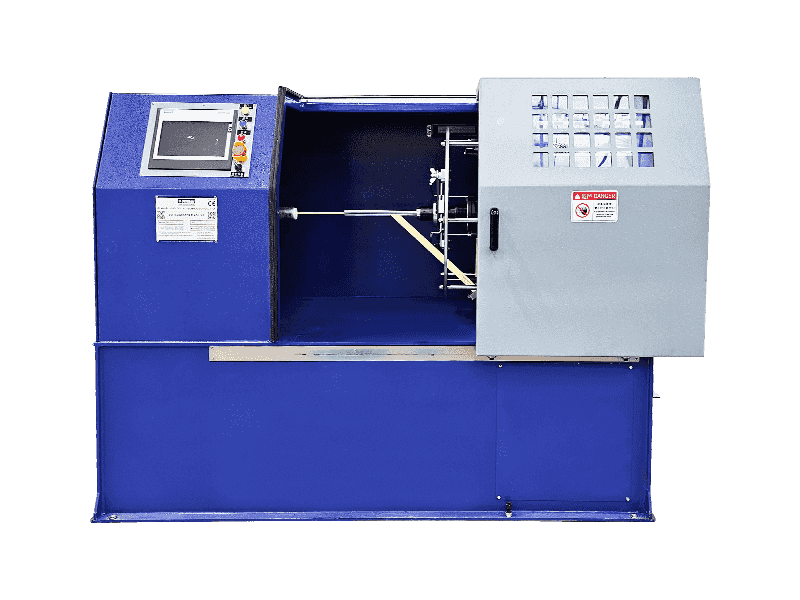
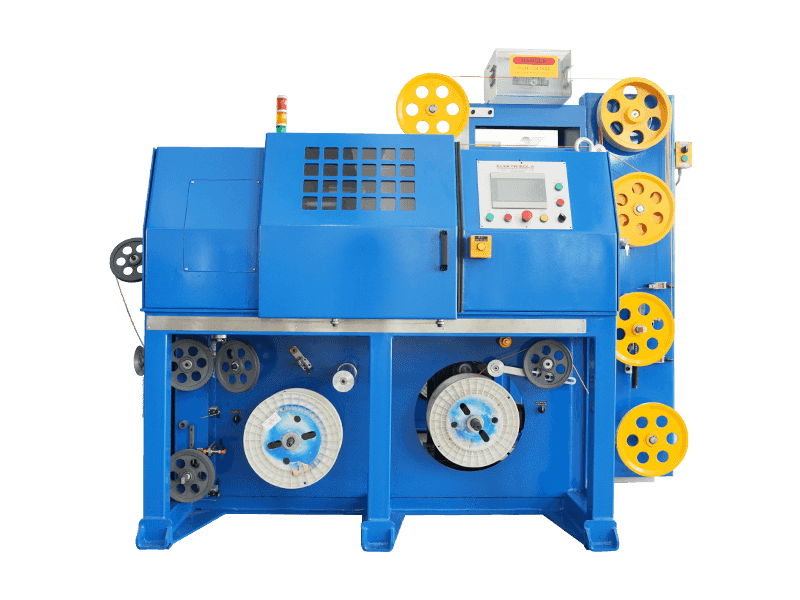
A cable spooling machine winds cable, wire, or conductor onto a reel or spool under controlled tension, then pays it back off again for downstream processing or shipping. If your line is dealing with kinks, uneven wraps, spool crush, or operators manually guiding wire by hand at low speed, the direct fix is a dedicated cable spooling machine with active tension control rather than a generic winder repurposed from another product line. The core job is simple to state: keep tension constant, keep the traverse even across the spool width, and keep the operator out of the pinch points. Everything else in this guide is the detail behind making that happen reliably at production speed.
Manufacturers reach for a cable spooling machine at three points in a typical wire and cable operation, take up after extrusion or armoring, respooling from bulk drums to sale-length reels, and pay off feeding into a secondary process such as taping, braiding, or cutting. Each of these duties puts a different load profile on the machine, which is why spec sheets vary so widely between models built for the same general keyword.
It also helps to be clear about what the machine is not. A cable spooling machine is not the same as a coiler, which lays product into loose loops rather than onto a flanged reel, and it is not the same as a simple drum truck used only for transport. Coilers suit short lengths of flexible cord sold in bundles, while spooling machines suit continuous lengths measured in hundreds or thousands of meters that need to unwind cleanly at the customer's site without tangling. Getting this distinction right before budgeting a purchase avoids buying equipment that technically winds cable but cannot deliver the pay off quality your customers expect.
The decision to add a dedicated spooling stage usually shows up on the plant floor before it shows up on a spreadsheet. Supervisors notice more time spent re-tensioning spools by hand, more customer complaints about tangled pay off, and more scrap tags written against crushed inner wraps. Once those symptoms appear together, the cost of a properly specified cable spooling machine is almost always lower than the accumulated cost of the workarounds already in place.
How A Cable Spooling Machine Works: Tension Control And Traverse Mechanics
The mechanical story behind a cable spooling machine comes down to two systems working together, a rotating spindle that turns the spool and a traverse unit that moves the guide arm side to side so wire lays down evenly instead of piling in one spot. Tension is the variable that decides whether the finished spool is usable or scrap.
- Constant tension mode holds a fixed pull on the wire regardless of spool diameter, typically using a magnetic powder brake or a servo torque loop that reads back load cell data several hundred times a second.
- Taper tension mode reduces pull as the spool builds diameter, which prevents the inner wraps from being crushed by the weight of everything wound on top of them later.
- Traverse synchronization ties the guide arm speed to spindle rotation through an electronic gear ratio, so wrap angle stays consistent from the first layer to the last.
- Dancer arm or load cell feedback closes the loop, adjusting brake or motor torque in real time as line speed changes.
Most mid-size cable spooling machine models built after 2023 have moved away from purely mechanical friction brakes toward servo-driven tension control, largely because copper and aluminum conductor prices make scrap far more expensive than it used to be, so tighter tolerance on wrap tension pays for itself over a shorter run of production.
Underneath the control panel, the tension loop is a fairly standard feedback system. A load cell or dancer arm measures actual line tension, compares it against a setpoint entered by the operator, and feeds the error into a proportional-integral-derivative controller that adjusts brake torque or motor current accordingly. The proportional term reacts to the size of the error, the integral term corrects for any steady offset that lingers over time, and the derivative term dampens sudden spikes so the system does not overshoot when line speed changes quickly. Operators rarely need to touch these gains once a supplier has commissioned the machine, but knowing they exist helps explain why a tension fault sometimes clears itself with a simple parameter reset rather than a mechanical repair.
Why Taper Ratio Matters More Than Most Buyers Expect
Taper tension is often expressed as a percentage reduction in tension from empty spool to full spool, commonly somewhere between 20 percent and 50 percent depending on conductor stiffness and insulation compound. A taper ratio set too low leaves inner wraps exposed to crush damage, while a ratio set too high can let outer wraps loosen and slip sideways during transport. Getting this number right is closer to a materials science question than a machine setting, and it is one of the first things a competent supplier should ask about during commissioning rather than leaving it at a factory default.
Anatomy Of A Cable Spooling Machine: The Major Components
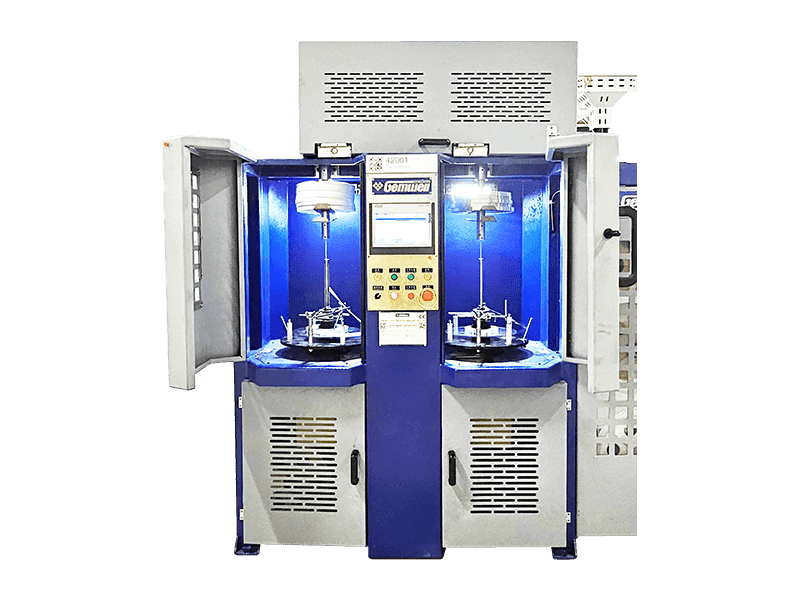
Reading a supplier's quotation is easier once the main assemblies of a cable spooling machine are broken down individually, since pricing differences between two quotes are almost always explained by differences in one or more of these components rather than the machine as a whole.
Main Drive Motor
Provides rotational power to the spindle, sized in kilowatts according to maximum spool weight and target line speed, usually a servo or vector-controlled AC motor on modern machines.
Spindle And Arbor
Holds the spool or reel in place, sized to match flange bore diameter, with quick-release or hydraulic clamping on higher throughput lines to speed up changeover.
Traverse Carriage
Carries the wire guide across the spool width, driven by a ball screw or timing belt for precision, or by a cam mechanism on simpler mechanical machines.
Tension Control Unit
Includes the brake, load cell, or servo torque motor along with the control electronics that keep tension within tolerance across the whole spool build.
Frame And Base
Provides rigidity under load, typically welded steel with leveling feet or anchor points, since frame flex under a heavy spool is a common source of traverse inaccuracy.
Human Machine Interface
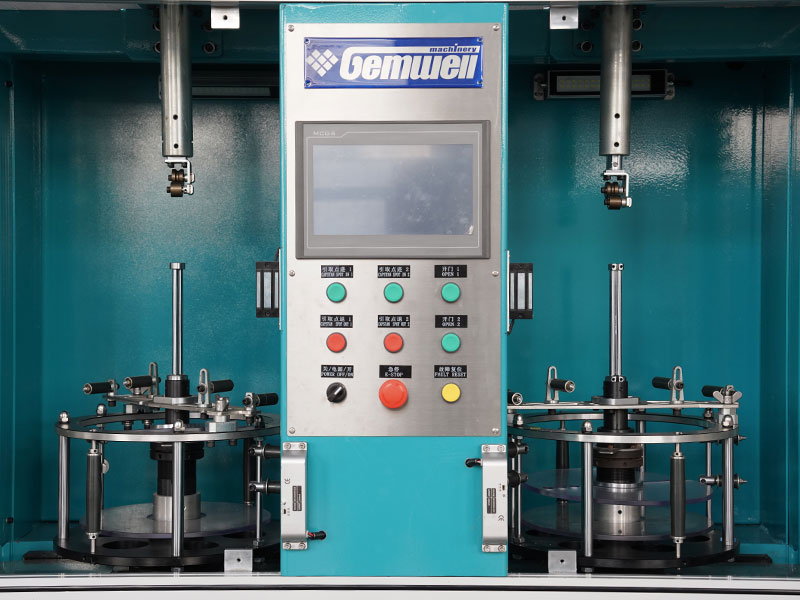
The touchscreen or panel where operators set tension, taper ratio, speed, and spool length targets, often storing multiple product recipes for quick changeover.
Safety Guarding
Interlocked covers, light curtains, or physical barriers around pinch points, increasingly required to meet workplace safety standards in export markets.
Length Measuring Device
A contact wheel or non-contact encoder that counts meters produced, feeding into automatic stop or cut functions once a target length is reached.
Types Of Cable Spooling Machines On The Market Today
Choosing the right configuration starts with matching the machine layout to your floor space and product diameter range. The configurations below cover the overwhelming majority of installed equipment in wire and cable plants.
Horizontal Spooling Machine
Spool axis runs parallel to the floor, loaded and unloaded from the end. Common for reels up to about 2 meters in diameter, favored where overhead crane access is limited.
Vertical Spooling Machine
Spool sits flat and rotates on a vertical axis, which simplifies loading with a forklift and suits very heavy reels used for underground or submarine cable.
Double Spindle Spooling Machine
Two spindles alternate so one spool loads or unloads while the other runs production, cutting changeover downtime to near zero on continuous lines.
Pay Off And Take Up Combo Unit
Pairs a pay off stand with a take up spooler on a shared frame, common on shorter respooling lines and cable cutting or coiling stations.
Cantilever Spooling Machine
Supports the spool from one side only, allowing very fast reel changeover since there is no second bearing block to open, though it typically caps out at lighter maximum spool weight.
Traversing Drum Twister Combination
Integrates a twisting or stranding stage directly ahead of the spooling stage, used where conductor strands need to be laid together immediately before winding.
Beyond configuration, buyers also choose between fixed-speed and variable-speed drive trains. Fixed-speed machines are less expensive but force the whole line to run at whatever rate suits the spooling stage, while variable-speed machines let the spooling stage match whatever upstream extrusion or taping speed is already set, which matters most on lines that run several different products through the week.
Key Specifications To Check Before Buying A Cable Spooling Machine
Spec sheets for a cable spooling machine can look similar on the surface while hiding real differences in duty cycle and precision. The table below lists the figures worth comparing line by line before signing a purchase order.
| Specification | Light Duty | Medium Duty | Heavy Duty |
|---|---|---|---|
| Max Spool Diameter | 630 mm | 1600 mm | 3000 mm and above |
| Max Spool Weight | 500 kg | 3000 kg | 10000 kg and above |
| Line Speed | Up to 200 m per min | Up to 600 m per min | Up to 1200 m per min |
| Tension Control Method | Mechanical brake | Magnetic powder brake | Closed loop servo torque |
| Traverse Precision | Plus or minus 2 mm | Plus or minus 1 mm | Plus or minus 0.5 mm |
| Main Motor Power | 1.5 to 3 kW | 4 to 11 kW | 15 kW and above |
| Typical Footprint | 2 by 1.5 meters | 4 by 2.5 meters | 7 by 4 meters and above |
Beyond the numbers, check how the drive handles a power interruption mid spool. A machine without brake fail safe logic can let an entire heavy spool unwind under its own weight the instant power drops, which is both a safety hazard and a guaranteed scrap event. Also confirm the noise level rating if the machine will sit near an occupied work area, since heavy duty units running above 800 meters per minute can approach levels that require hearing protection under many workplace regulations.
Ask suppliers for the control system brand and firmware update policy as well. Machines built on widely supported industrial controller platforms are easier to service years down the line, while machines built on obscure or proprietary control hardware can leave a plant stranded if the original supplier stops offering support.
Pairing A Cable Spooling Machine With An Automatic Cable Taping Machine
Wire that needs a wrap layer, shielding tape, fire retardant tape, or armor bedding tape almost always runs through an automatic cable taping machine immediately before the take up spooling stage, so the two machines are usually specified as a matched pair rather than bought separately. The taping head lays overlapping tape around the conductor at a set overlap ratio while the cable moves continuously, and the spooling machine downstream has to accept that exact same line speed without introducing its own tension variation that would loosen the tape wrap.
Line integration details worth confirming with a supplier before purchase:
- Confirm the automatic cable taping machine and the cable spooling machine share a common line speed reference signal, usually through an encoder pulse shared across both drives.
- Check overlap ratio range on the taping head, most models cover 10 percent to 70 percent overlap and this needs to match your cable construction standard.
- Verify the spooling side can run in taper tension mode so the added tape layer diameter does not throw off wrap tension partway through a spool.
- Ask whether tape bobbin count on the taping head matches your shielding or armor design, single head, dual head, and planetary taping heads all wrap differently.
- Confirm both machines can be stopped and restarted from a single shared control point, since separate stop circuits on each machine slow down fault recovery during a production run.
Plants that run cable taping and spooling as separate unsynchronized machines report far more tape wrinkle and loose wrap complaints than plants running them on a shared line, which is the main reason buyers increasingly ask for both machines from the same builder so the control systems are pre matched rather than integrated on site.
Beyond mechanical synchronization, some plants now specify a shared data log between the taping and spooling stages, recording tape tension, overlap ratio, and spooling tension against the same timestamp for every meter produced. This kind of joint traceability record has become common on cable destined for regulated markets such as automotive or aerospace wiring, where a quality claim years later can require proof of the exact process conditions used to make a specific spool.
Industries That Rely On Cable Spooling Equipment
The keyword covers a wide equipment category, but demand clusters in a handful of industries where wire and cable is either the finished product or a critical sub component.
- Building wire and power cable manufacturing, where high volume respooling from bulk drums to retail length reels is a daily operation.
- Telecommunications and fiber optic cable production, where traverse precision protects delicate cores from crush damage during winding.
- Automotive wiring harness suppliers, who run smaller diameter wire at very high speed with frequent size changeovers.
- Welding cable and rubber insulated cable producers, where flexible jacket compounds are more prone to deformation under uneven tension.
- Renewable energy cable manufacturing, particularly solar cable and offshore wind array cable, where large heavy duty spools dominate.
- Mining and marine cable suppliers, where reels are often shipped internationally and pay off reliability at the destination site matters as much as winding quality at the factory.
- Rail and transit signal cable producers, where consistent spool length and clean pay off directly affect installation schedules along a rail corridor.
How Spool Size Preferences Differ By Industry
Building wire producers tend to standardize on a narrow range of retail reel sizes since their customers are electricians and distributors who expect familiar packaging, while offshore wind and submarine cable producers work with custom spool dimensions built around a specific vessel or turbine installation plan. This difference matters when specifying a cable spooling machine, since a plant serving multiple industries often needs a wider adjustable diameter range than a plant serving only one market segment.
Installation And Facility Requirements
Before a cable spooling machine arrives, plants need to confirm the receiving floor can support it, both structurally and in terms of utility connections. Heavy duty machines rated for spools above 5000 kg often require a reinforced concrete pad rather than a standard warehouse floor slab, and the foundation drawing should come from the equipment supplier rather than being estimated on site.
- Power supply, most mid and heavy duty machines run on three phase supply, confirm voltage and frequency match local grid standards before ordering.
- Compressed air supply, needed on machines using pneumatic clamping or braking assist, typically requiring a clean dry air line at a specified pressure range.
- Overhead clearance, vertical spooling machines and large horizontal units need enough headroom for crane loading of the largest spool the line will run.
- Aisle width, adequate space for forklift or crane access on both sides of the machine speeds up changeover and reduces the chance of collision damage during loading.
- Ambient conditions, dusty or high humidity environments may require sealed control cabinets and additional cooling for the drive electronics.
Commissioning typically includes a mechanical alignment check, an electrical safety inspection, a tension calibration run against a certified reference weight, and a trial spool build that is measured and inspected before the line is handed over for production use. Skipping any of these steps to save time on installation day is one of the more common reasons a newly installed cable spooling machine underperforms its rated specification in the first weeks of operation.
Safety Considerations And Operator Training
A cable spooling machine combines rotating mass, stored tension energy, and pinch points at the traverse guide, which together make operator training as important as the machine specification itself. Most workplace incidents traced to spooling equipment happen during spool loading and unloading rather than during steady state running, since that is when hands are closest to moving parts and heaviest loads are being manipulated.
| Safety Control | Hazard Addressed |
|---|---|
| Interlocked traverse guard | Prevents hand access to the moving carriage during operation |
| Emergency stop rope or button | Gives operators an immediate way to halt the machine along its length |
| Brake fail safe logic | Stops an uncontrolled spool unwind if power is lost mid cycle |
| Spool arbor locking pin | Prevents the spool from shifting on the spindle during loading |
| Light curtain at loading zone | Stops spindle rotation if a person enters the loading area unexpectedly |
Training should cover more than button locations on the control panel. Operators benefit from understanding why taper tension exists, what a tension fault alarm actually means, and how to recognize early signs of bearing wear or traverse misalignment before they become safety issues. Plants that pair new equipment with a structured operator training program consistently report fewer near miss incidents in the first year compared with plants that rely only on informal on the job learning.
Maintenance Practices That Extend Cable Spooling Machine Lifespan
A cable spooling machine that is serviced on a fixed schedule routinely runs for well over a decade in continuous industrial use, while a neglected unit shows tension drift and traverse chatter within the first two or three years. The maintenance calendar below reflects common practice reported by plant maintenance teams.
| Task | Interval | Why It Matters |
|---|---|---|
| Traverse rail lubrication | Weekly | Prevents dry friction that causes uneven wrap spacing |
| Brake or clutch inspection | Monthly | Worn linings cause slow tension drift that is hard to notice day to day |
| Load cell calibration check | Quarterly | Keeps tension readout accurate against a known reference weight |
| Spindle bearing service | Annually | Bearing wear is the leading cause of unplanned downtime on older machines |
| Control cabinet inspection | Quarterly | Dust buildup and loose terminals are a common cause of intermittent faults |
| Traverse ball screw backlash check | Annually | Excess backlash shows up first as inconsistent wrap spacing at spool edges |
Keeping a simple maintenance log against each machine, even a basic spreadsheet noting date, task, and technician, makes it far easier to spot a developing pattern such as a brake that needs adjustment more often than the interval calls for, which usually signals a part nearing end of life rather than a one time fault.
Common Problems And Practical Fixes
Most complaints traced back to a cable spooling machine fall into a short list of recurring issues, and the fix is usually simpler than operators expect.
Uneven wrap or telescoping spool: Almost always a traverse timing issue rather than a tension problem, check the electronic gear ratio between spindle encoder and traverse motor first before adjusting brake settings.
Wire crush on inner wraps: Points to running constant tension mode on a job that needs taper tension, the fix is a settings change rather than a mechanical repair on most servo controlled machines.
Sudden tension spikes at speed changes: Usually a PID tuning issue in the tension control loop, most control panels allow adjusting proportional and integral gain without a technician visit.
Spool flange damage during unload: A material handling issue rather than a machine fault, confirm forklift forks or crane slings match the spool arbor spacing before blaming the equipment.
Repeated nuisance tension alarms: Often traced to a load cell that has drifted out of calibration rather than an actual tension problem, a quick calibration check against a reference weight resolves most cases.
Wire slipping on the traverse guide roller: Usually a worn or glazed roller surface, replacing the roller sleeve restores grip without needing to replace the whole traverse assembly.
Machine runs hot after extended operation: Check that cooling fans on the drive cabinet are unobstructed and that ambient temperature around the machine has not crept above the rated operating range during summer months.
Cost Considerations And Return On Investment
Purchase price is only one part of the total cost picture for a cable spooling machine. Buyers who compare quotes on sticker price alone frequently underestimate the operating cost gap between a basic mechanical machine and a fully automatic servo controlled unit.
- Scrap reduction, tighter tension control typically cuts crushed or telescoped spool incidents significantly compared with older mechanical brake systems, and scrap cost on high value conductor adds up quickly.
- Labor savings, automatic length cutting and spool changeover reduce the operator time needed per spool, which matters most on multi shift operations running continuously.
- Energy consumption, servo drives generally use less energy per meter produced than older mechanical brake systems that dissipate excess tension as heat.
- Spare parts availability, machines built around common industrial components tend to have lower long term repair cost than machines with proprietary parts sourced only from the original builder.
- Downtime cost, a machine with remote diagnostics or clear fault code displays gets back into production faster than one that requires a technician visit for every fault.
When building a return on investment estimate, plants typically compare the price difference between two equipment options against the expected annual savings from reduced scrap and reduced labor hours, then divide the price difference by that annual savings figure to estimate a payback period in years. Most plants set an internal threshold, often around two to three years, below which the higher automation option is considered justified regardless of the larger upfront cost.
Customization Options When Ordering
Standard catalog models cover a large share of demand, but many buyers request modifications to fit an existing production line or a specific product range. Common customization requests include adjustable spool diameter range beyond the standard catalog limit, dual tension zones for co-extruded or multi-layer cable, integrated printing or marking heads for spool identification, custom control software to match an existing plant network protocol, and non-standard voltage or frequency configurations for export orders.
When requesting customization, it helps to provide the supplier with actual product samples or detailed drawings rather than only diameter and weight numbers, since jacket compound stiffness and surface finish both affect how tension settings should be tuned even when two products share the same nominal diameter.
Evaluating Suppliers: A Practical Checklist
Two suppliers quoting the same nominal specification can deliver very different real world performance, so the evaluation process should go beyond comparing spec sheets side by side.
- Ask for references from plants running a similar product range and similar production volume, and actually contact them rather than relying on the supplier's own case studies.
- Request a sample spool run on your own material before final purchase if at all possible, since actual wrap quality on your specific product is the best predictor of future performance.
- Confirm what is included in installation and commissioning, some quotes include on site setup and calibration while others price it as a separate line item.
- Clarify warranty terms on the tension control electronics separately from the mechanical frame, since these two categories often carry different coverage periods.
- Ask about typical lead time for spare parts, particularly for the load cell, brake unit, and control panel components most likely to need replacement over the machine life.
- Verify whether the supplier also builds an automatic cable taping machine, since a supplier offering both product lines can commission a synchronized line more reliably than combining equipment from two unrelated builders.
Emerging Trends In Cable Spooling Technology
Control systems on newer cable spooling machines increasingly include data logging as a standard feature rather than an expensive option, recording tension, speed, and length against timestamp for every spool produced. This data feeds into plant quality systems and gives maintenance teams an early warning when tension variance on a specific machine starts trending outside its normal historical range, often catching a developing bearing or brake issue before it causes a production stoppage.
Energy efficiency has also become a stronger purchasing factor, with more buyers asking suppliers for measured power draw figures under typical load rather than only nameplate motor rating, since actual energy cost over a machine's working life can be a meaningful part of total ownership cost on continuously operating lines.
Remote monitoring and diagnostics are becoming more common as well, allowing a supplier's service team to review fault logs and, in some cases, adjust certain control parameters remotely before dispatching a technician, which shortens the time between a fault occurring and production resuming.
Frequently Asked Questions
What size cable spooling machine do I need for building wire production
Match the machine to your largest planned spool diameter plus a margin for future product growth, most building wire lines run medium duty machines rated for spools between 1000 mm and 1800 mm since retail reels rarely exceed that range.
Can one machine handle both pay off and take up duties
Yes, combo units exist for lower volume lines, though dedicated pay off and take up machines are more common on continuous production lines because each side can be optimized separately for its own tension profile.
How does an automatic cable taping machine affect spooling tension settings
Adding a tape layer increases outer diameter and slightly changes the effective radius the tension control is working against, so most operators shift to taper tension mode or adjust the taper ratio once a taping stage is added upstream.
What causes a spool to loosen after it leaves the machine
Usually insufficient tension during winding or a jacket compound that relaxes after winding, both are addressed by increasing base tension slightly and verifying the material supplier's recommended winding tension for that specific compound.
Is servo tension control worth the extra cost over a magnetic powder brake
For high value conductor such as copper or for fiber optic cable, yes, since scrap cost from a single crushed spool often exceeds the price difference between the two tension systems within the first few months of use.
How long does a typical cable spooling machine last in continuous use
A well maintained machine commonly runs well beyond ten years in continuous industrial service, with the main drive and frame usually outlasting several generations of control electronics that get upgraded along the way.
Do I need a different machine for fiber optic cable compared to copper cable
Not necessarily a different machine, but fiber optic cable generally needs tighter traverse precision and lower maximum tension settings than copper cable, so the control system needs a wider adjustable range rather than a completely separate machine.
What is the difference between a taper tension setting and a constant tension setting
Constant tension holds the same pull throughout the whole spool build, while taper tension gradually reduces pull as spool diameter grows, protecting the inner wraps from being crushed under the weight of the outer layers.
Can an older mechanical cable spooling machine be retrofitted with servo tension control
In many cases yes, retrofitting a servo tension control kit onto an existing frame is common practice and can extend the useful life of a mechanically sound older machine without the cost of a full replacement.
How often should tension calibration be checked
Quarterly calibration checks against a certified reference weight are common practice, though plants running high value conductor or tight tolerance fiber optic cable sometimes check monthly given the higher cost of a tension related quality failure.
 Related Products