E-mail: info@gem-cablesolution.com
 Address: No.8 Yuefeng Rd, High Tech Zone, Dongtai, Jiangsu, China | No.109 Qilin East Rd, Daning, Humen, Dongguan, Guangdong, China.
 English
  English
 русский
 日本語
日本語 Español
 عربى
عربى 中文简体
中文简体
 Product Category


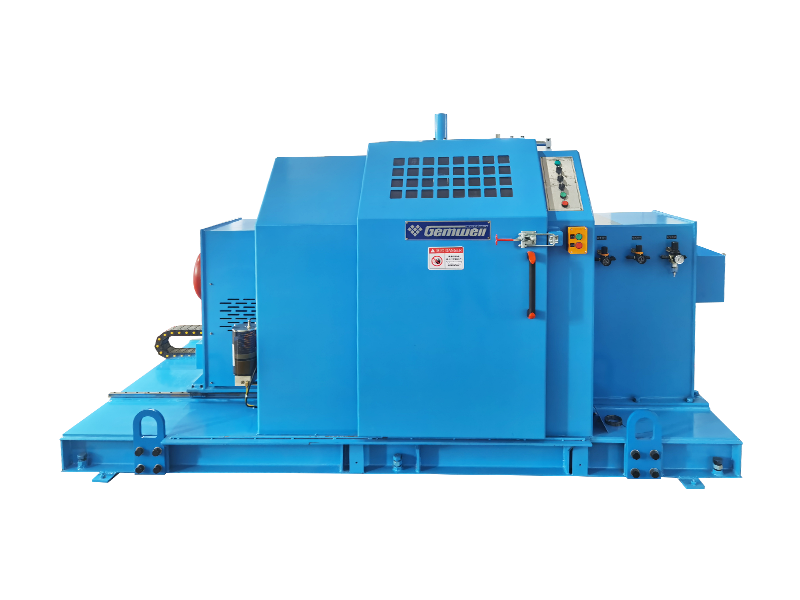

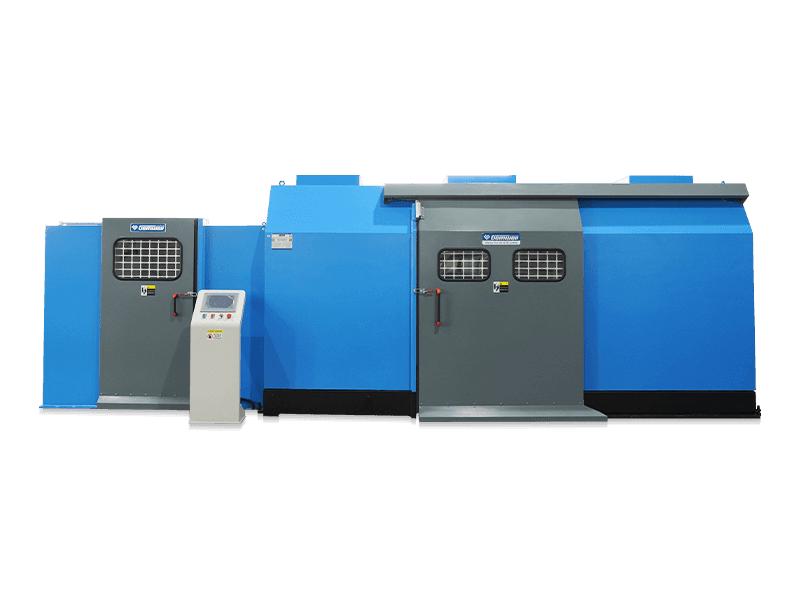
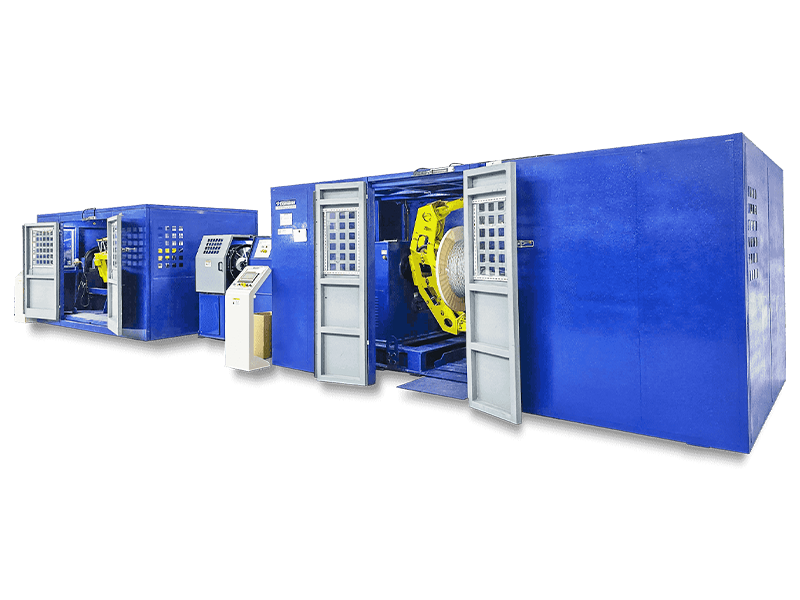
The Cantilever Single Twisting Machine is a cable-forming equipment that twists multiple core wires at high speed through a cantilever and synchronously and concentrically winds them. Since each rotation of the cantilever forms a pitch, it is called a Cantilever Single Twisting Machine. According to the structure type, it is divided into Differential speed take-up type Cantilever Single Twisting Machine(without take-up pulley), Lightweight one-piece Cantilever Single Twisting Machine(External pulley and power take-up), Heavy-duty separated Cantilever Single Twisting Machine(External pulley and power take-up), Heavy-duty separated Cantilever Single Twisting Machine(External pulley and Torque take-up), etc. Due to the different outer diameters of wires, different electrical performance requirements, and different cost-effectiveness, the above models are suitable for different wire stranding and cable production fields, and users can choose and buy by themselves.

Establishment time

Building area (m²)

Number of employees

Intellectual property
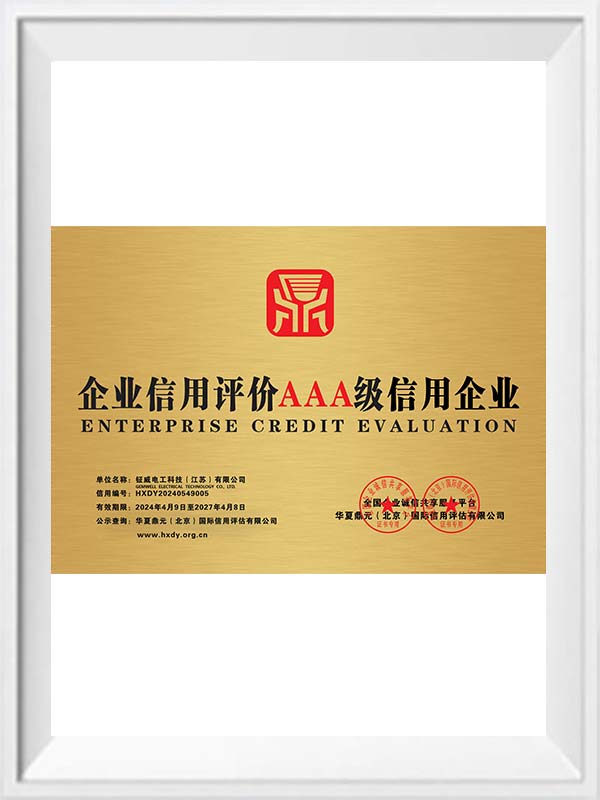
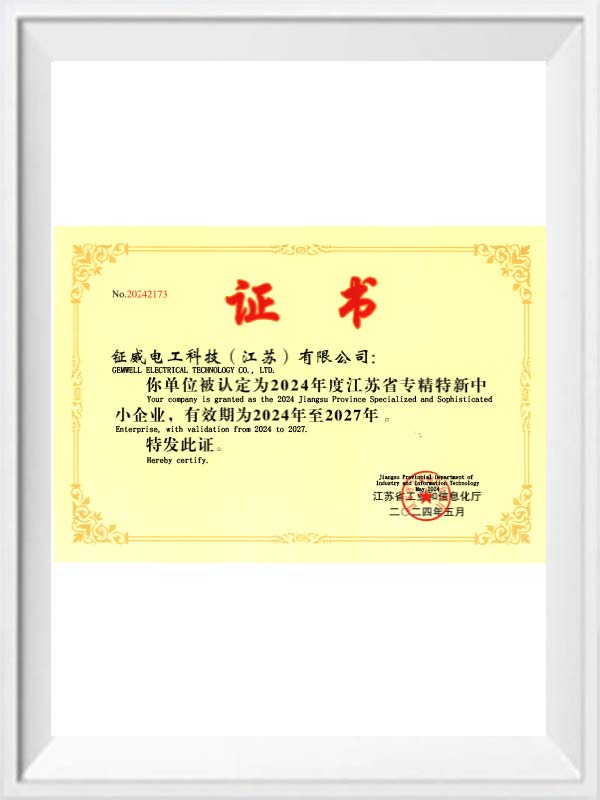
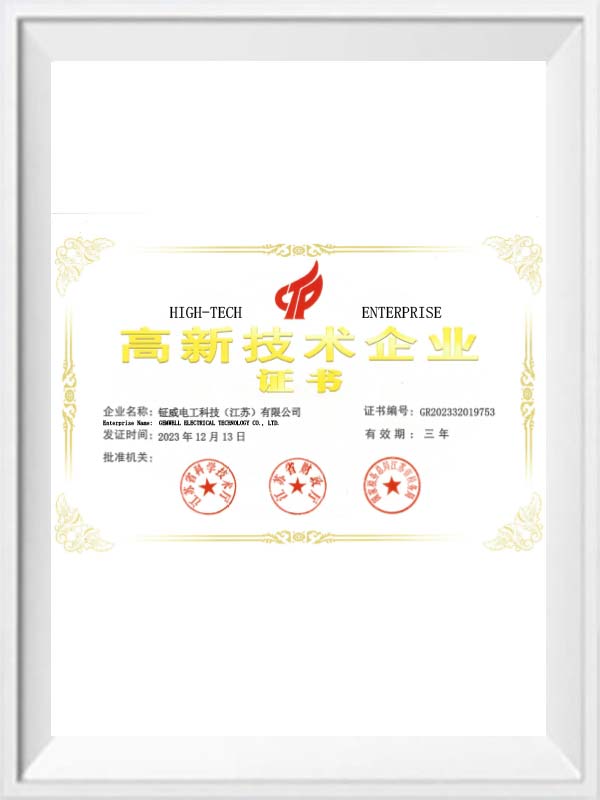
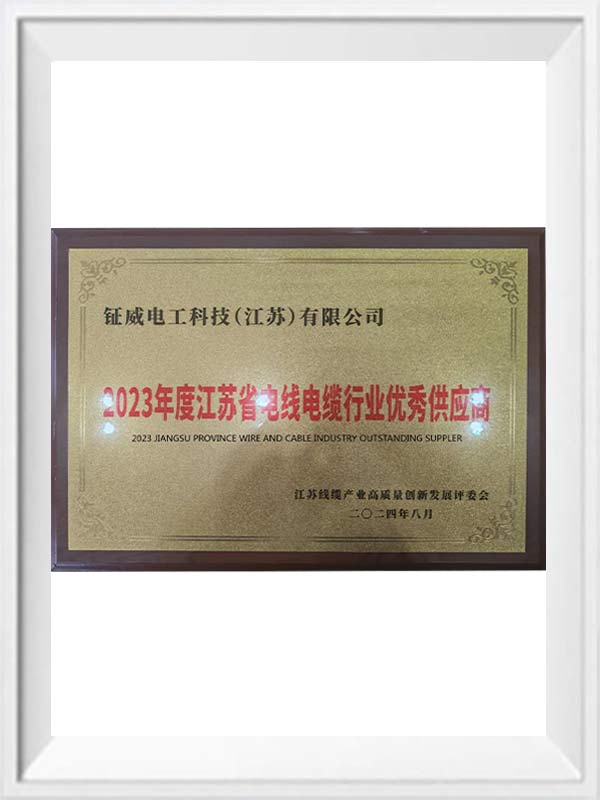
A Mature Factory You Can Count On
 2026-09-29
 Webmaster
The 12th China International Wire & Cable Industry Trade Fair (wire China 2026) drew to a successful close on September 24 at the Shanghai New
Read More +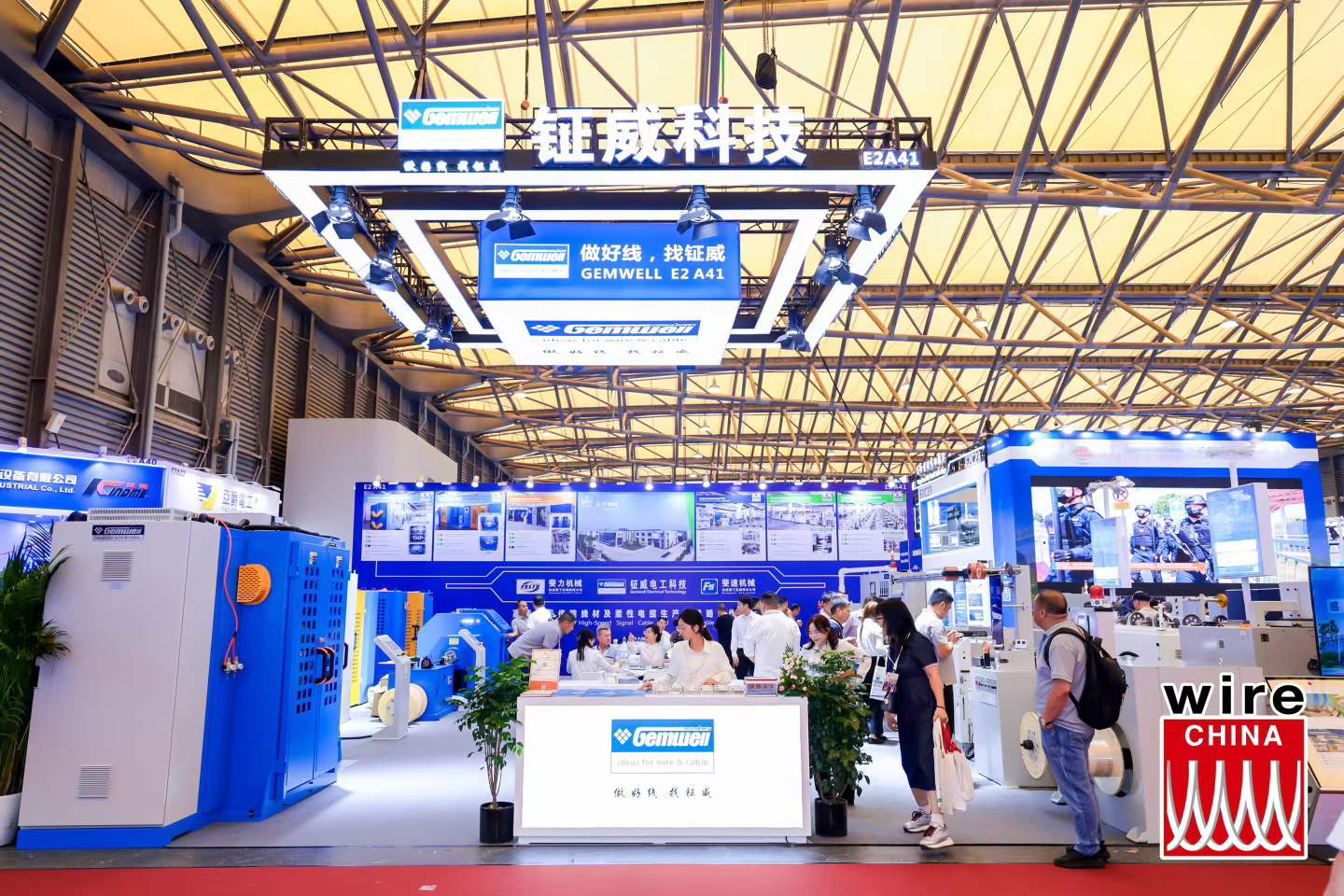
2026-09-28
Webmaster
Choosing a cable extrusion machine is a decision that rests on a few hard truths: the machine must match your material set, your line speed, and your
Read More +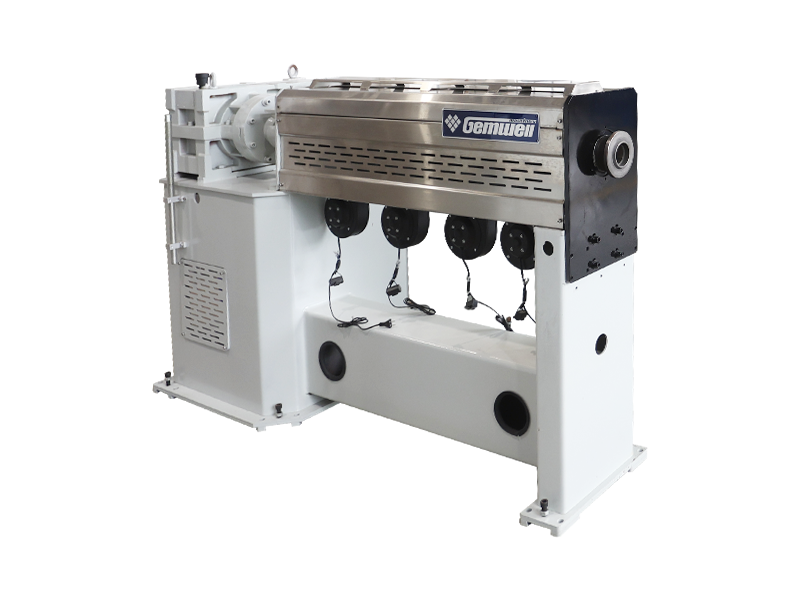
2026-09-21
Webmaster
.article-section{margin-bottom:40px;font-size:16px;line-height:2;color:#333;} .article-section p{font-size:16px!important;line-height:2;margin-bottom
Read More +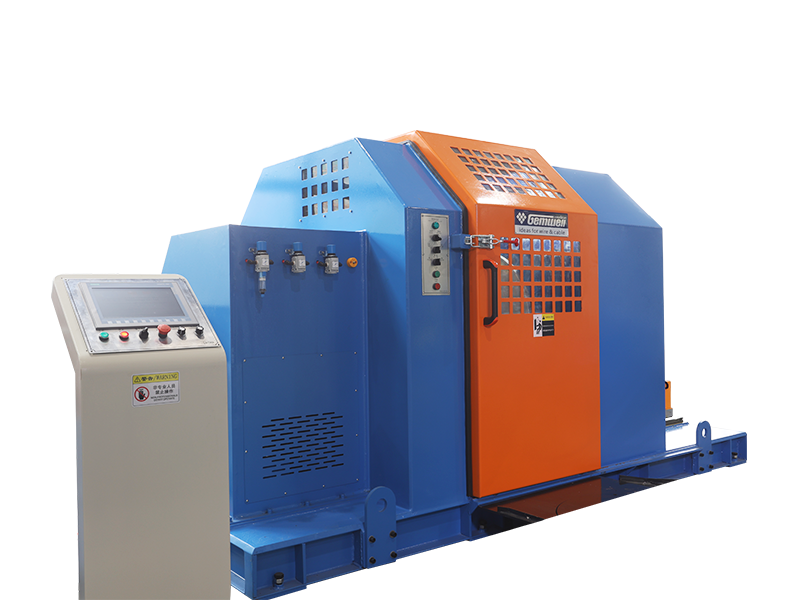
2026-09-17
Webmaster
GEMWELL bring the most updated machine technical solutions for High Speed Copper Cable production here in Suzhou, China.Highlights: • Core wire
Read More +
2026-09-14
Webmaster
A high power wire extruder is the backbone of any cable plant that produces large-diameter or high-throughput wires. Unlike standard extruders, these
Read More +
A cantilever single twisting machine is one of the workhorses of conductor production. It pulls individual wires off supply bobbins, gathers them around a common axis, and turns them into one twisted or stranded conductor in a single pass. Depending on conductor size and the output a factory needs, the same job can also be run on a high speed twisting machine, which generally favors finer wire and higher rotational speed. Both machines sit at the center of wire and cable stranding, where the goal is a conductor that stays flexible, keeps its round shape, and carries current evenly along its length. The sections below cover what stranding does to a conductor, how to choose between single twist and faster machines, how to work out twisting settings, and what the control and support side of a twisting line involves.
A solid copper conductor is stiff. Bend it back and forth a few times and it work-hardens, then eventually cracks. Build the same cross-section from many thinner wires and it bends easily, because each strand only has to slide a short distance against its neighbors. That is the whole reason stranding exists, and the twist is what holds those strands together as one round conductor.
The most familiar layout is concentric: one center wire, then layers of six, twelve, and eighteen wires around it. Each layer holds six more wires than the one beneath, so the running totals are 7, 19, and 37 wires. Layers are commonly laid in alternating directions so the finished conductor does not try to untwist itself.
Cumulative wire count by layer in a concentric construction (calculated: each layer adds six wires more than the layer below).
On a single twist machine, the supply bobbin rides on a rotating frame, and one turn of that frame puts one twist into the wire. A double twist arrangement puts in two. That single relationship drives most of the settings discussed later. A twisting machine only performs as well as the system around it, which is why Gemwell Electrical Technology Co., Ltd designs its automation supply around the complete line rather than the machine alone.
Neither machine type is simply better. A cantilever arrangement can carry larger supply bobbins, which suits heavier conductors and long unbroken runs. A high speed twisting machine, often built on a double twist principle, gets more twists into each rotation and runs faster, which is why it is commonly picked for finer wire. The chart below compares the two on general characteristics.
Qualitative comparison on a 1 to 5 scale, based on general characteristics of the two machine types. It is an illustration, not measured data.
The choice also shapes the control side, since a faster machine leans harder on its drives and sensors. In line with the system design, Gemwell Electrical Technology Co., Ltd supplies the necessary automation control equipment, so the controls follow the machine that was chosen and not the other way round.
In wire and cable stranding, the setting people talk about most is lay length, the distance a strand travels along the conductor to complete one full turn. On a single twist machine it follows directly from line speed and rotation speed:
Lay length (mm) = line speed (m/min) x 1000 / rotation speed (rpm)
Twists per meter = 1000 / lay length (mm)
Take a line running at 30 m/min with the frame turning at 1,000 rpm. The lay length comes out at 30 mm, or about 33 twists per meter. Want a tighter 15 mm lay at the same line speed? You need 2,000 rpm, or you can halve the line speed to 15 m/min and stay at 1,000 rpm. A double twist machine puts in two twists per rotation, so the same speed and rpm give twice as many twists per meter.
Lay length against rotation speed with the line speed fixed at 30 m/min (calculated from the formula above).
The second view flips the question. If the drawing calls for a certain lay, how many twists does each meter of conductor receive? Shorter lays mean many more twists, which is why tight lays demand higher rotation speed or slower line speed.
Twists per meter for common lay lengths on a single twist machine (calculated as 1000 divided by lay length in mm).
Holding these ratios steady from the first meter to the last is a control job, not a mechanical one. It is where the programming and parameter adjustments that Gemwell Electrical Technology Co., Ltd carries out with clients during commissioning decide how repeatable the lay length really is.
Gemwell Electrical Technology Co., Ltd treats the machine and its controls as one delivery. In line with the system design, we supply the automation control equipment the line needs, and each item has its own job on a twisting line:
Once the equipment arrives, we assist clients with installation, wiring, and commissioning, which covers the physical setup, the electrical connections, programming, and parameter adjustments. We then integrate the control equipment with the other components of the line and carry out system debugging and optimization, so the whole line runs in step and meets the client's expectations.
| Stage | Scope | Result |
|---|---|---|
| Equipment supply | PLCs, HMIs, sensors, actuators, control panels | Controls matched to the system design |
| Installation and wiring | Physical setup and electrical connections | Equipment in place and connected |
| Commissioning | Programming and parameter adjustments | Machine running at required settings |
| Integration | Linking controls with other line components | One coordinated line |
| Debugging and optimization | System-wide adjustment and testing | Operation that meets client expectations |
| Training and support | Operating and maintenance instruction, technical assistance | Client team able to run and maintain the system |
We also provide operational training and technical support so your team can operate and maintain the automation control system correctly, and can get prompt technical assistance when something comes up.
Only if the lay length stays the same. Line speed equals lay length times rpm divided by 1000, so a 20 mm lay at 1,500 rpm allows 30 m/min. Raise the rpm and keep the same lay, and the line can run faster. Raise it while also asking for a tighter lay, and the extra rotation is used up by the shorter lay.
Drift usually points to the rotation drive and the take-up falling out of step, or to tension changing as a bobbin empties. Sensor feedback and a properly tuned PLC are what keep the ratio steady, which is why control parameters deserve as much attention as the mechanics.
Physical setup, electrical connections, programming, and parameter adjustments, followed by integration with the rest of the line and system debugging. The aim is a line that runs as one system, not a machine that works only on its own.
In case of technical challenges, Gemwell Electrical Technology Co., Ltd provides comprehensive mechanical and electronic support and is committed to addressing post-sales needs within 12 hours.
In many cases, yes. Each of our machines is equipped with remote diagnostic capabilities, so our engineers can troubleshoot and resolve issues remotely. This proved especially convenient during the COVID-19 pandemic, when international transportation was restricted.

 Custom Cantilever Single High Speed Twisting Machine Manufacturers