E-mail: info@gem-cablesolution.com
 Address: No.8 Yuefeng Rd, High Tech Zone, Dongtai, Jiangsu, China | No.109 Qilin East Rd, Daning, Humen, Dongguan, Guangdong, China.
 English
  English
 русский
 日本語
日本語 Español
 عربى
عربى 中文简体
中文简体
 Product Category


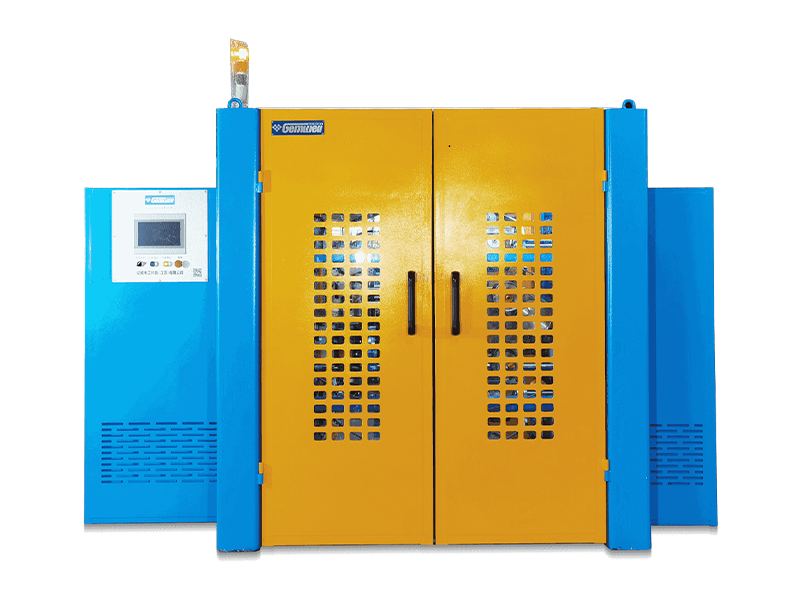

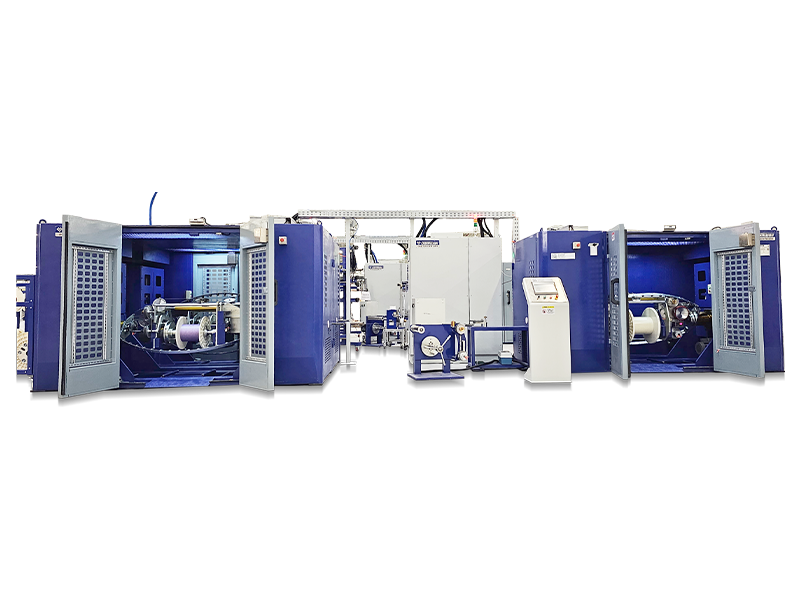
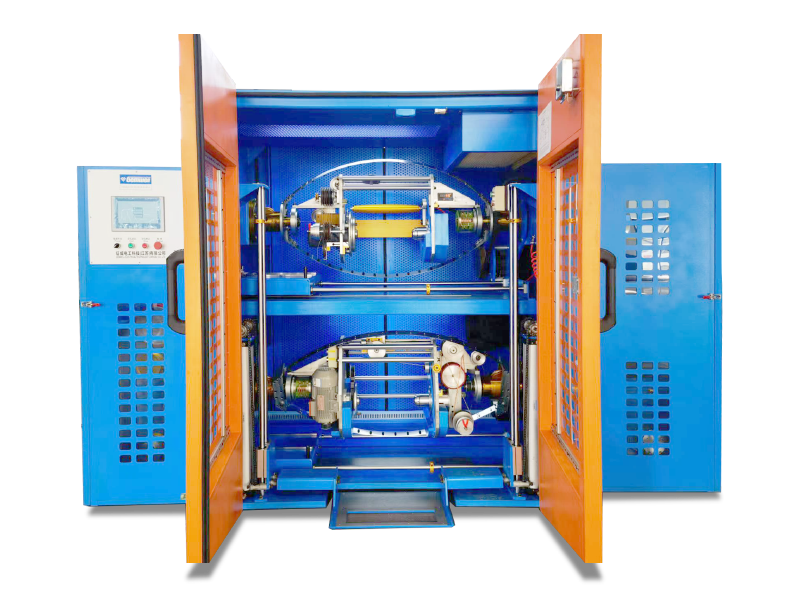
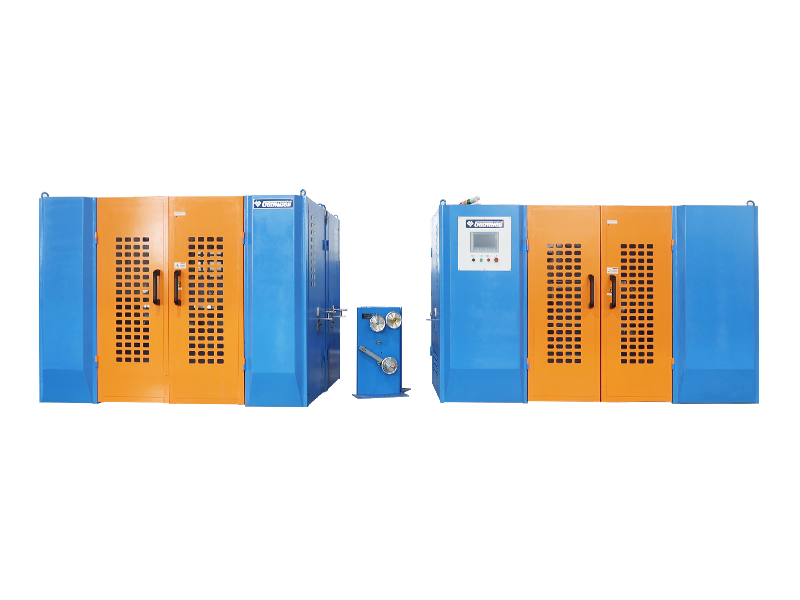
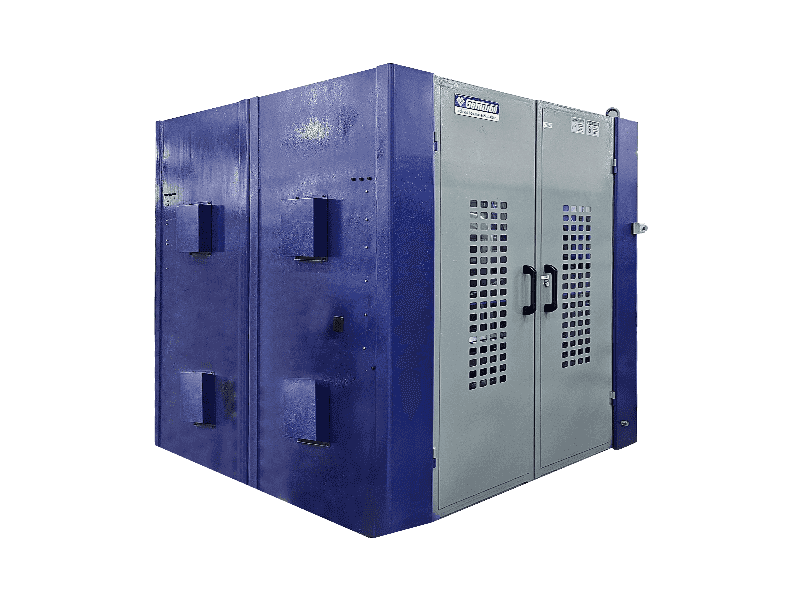
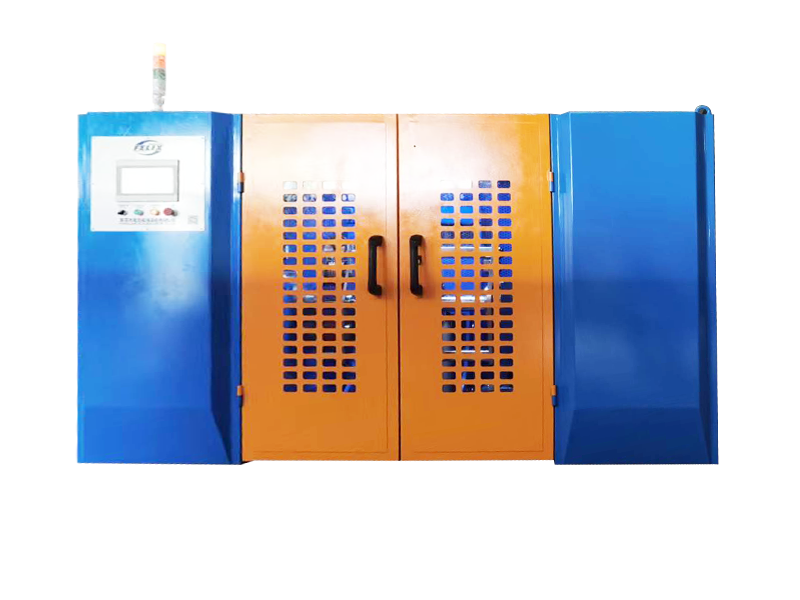
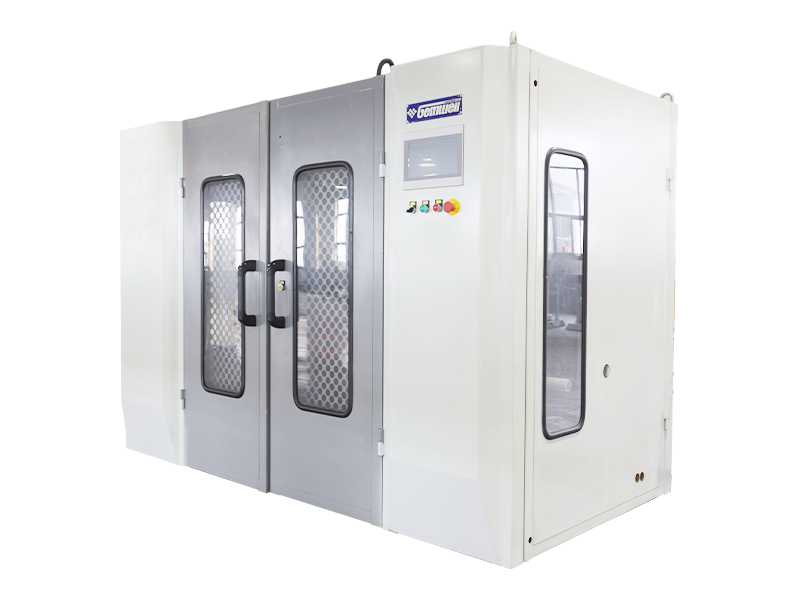
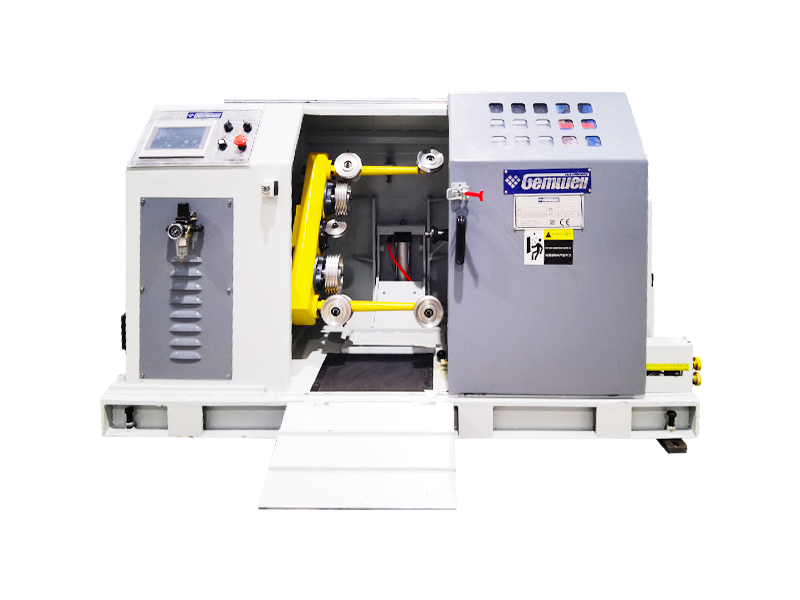
Twisting machine is a precision cable equipment that twists two independent core wires through high-speed rotation, precisely control the pitch and tension, and ultimately synchronously winding them into a single twisted wire unit. The twisting process not only enhances the flexibility and durability of the cable but also holds fundamental value in that, through its precise helical structure, the electromagnetic fields generated by the two conductors during signal transmission cancel each other out. This significantly suppresses signal crosstalk between the twisted pairs and improves the ability to resist external electromagnetic interference, laying the physical foundation for high-speed and stable signal transmission.

Establishment time

Building area (m²)

Number of employees

Intellectual property
A Mature Factory You Can Count On
 2026-09-21
 Webmaster
.article-section{margin-bottom:40px;font-size:16px;line-height:2;color:#333;} .article-section p{font-size:16px!important;line-height:2;margin-bottom
Read More +
2026-09-17
Webmaster
GEMWELL bring the most updated machine technical solutions for High Speed Copper Cable production here in Suzhou, China.Highlights: • Core wire
Read More +
2026-09-14
Webmaster
A high power wire extruder is the backbone of any cable plant that produces large-diameter or high-throughput wires. Unlike standard extruders, these
Read More +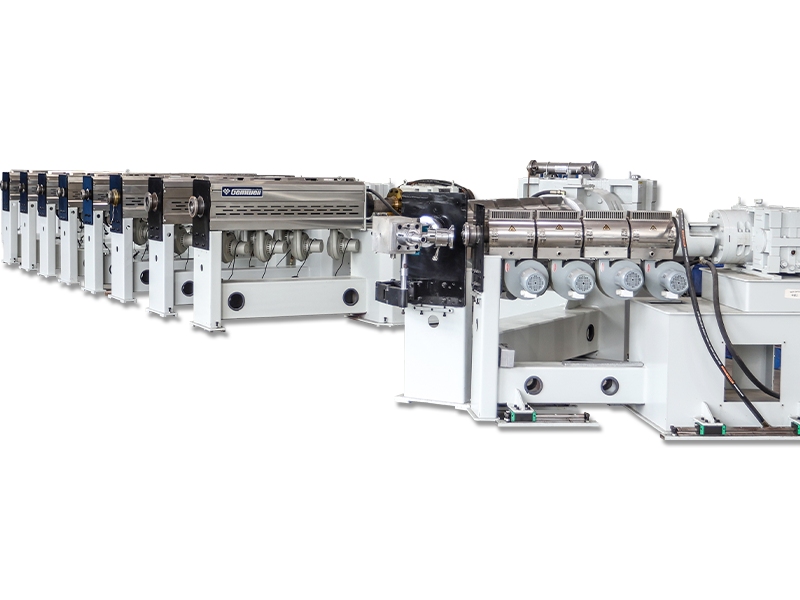
2026-09-07
Webmaster
What Bunch Stranding Means Bunch stranding is a conductor construction method where two or more bare wires are twisted together in a single operation
Read More +
2026-09-04
Webmaster
About GEMWELLWe sincerely look forward to welcoming you at, Hall E2, Booth No.A41and will spotlight our latest solutions across three core technology
Read More +
A wire pair twisting machine takes two individually insulated conductors and combines them into a single twisted pair through controlled rotation, pitch setting, and take-up tension. The process sits between insulation extrusion and cabling, and it is where much of a cable's electrical behavior is actually decided — pair balance, capacitance uniformity, and resistance to outside interference all trace back to how consistently the twist is formed. Because twisted pairs are used across signal transmission, low-voltage power distribution, and hybrid data-and-power constructions, the machine setup has to be adjusted for each conductor gauge and insulation type rather than treated as a single fixed recipe.
At Gemwell Electrical Technology Co., Ltd, lay length — the distance along the pair over which one full twist occurs — is treated as the first variable to get right, before tension or line speed are even discussed. A shorter lay length increases the number of twists per meter, which improves cancellation of external interference but also raises conductor stress and shortens the effective length of insulation exposed on each rotation. A longer lay length reduces mechanical stress and is easier on thinner insulation walls, but it gives interference less to work against. The right choice depends on conductor gauge, insulation thickness, and whether the pair will run alongside other current-carrying cores.
In practice, fine-gauge signal pairs tend to sit at the shorter end of the range, while heavier power pairs are twisted looser to protect the copper from work-hardening during the twist itself. The chart below shows typical lay length ranges by pair type as a starting reference, though final settings are always tuned against the specific insulation and gauge in use — the kind of adjustment work done on every Wire Pair Twisting Machine line before a production run is signed off.
A twisting machine can hold a perfect lay length on paper and still produce inconsistent pairs if back-tension drifts as the supply spools empty. Tension typically rises as a spool's diameter shrinks unless the braking system compensates for it, and that drift shows up later as uneven pair diameter and inconsistent capacitance readings along the finished length. This is one of the reasons tension monitoring is factored into how each machine is set up at Gemwell, not just at the start of a run but continuously as spools are exchanged.
The line chart below illustrates the pattern: tension deviation held within a narrow band across six spool changes on a well-tuned line, versus the wider swings that show up once braking compensation lags behind.
Pair balance — how evenly a signal couples onto both conductors of the pair — is influenced more by twist pitch consistency than by any single component in the pair. A tightly and evenly twisted pair keeps both conductors at nearly identical distance from any nearby interference source at every point along the cable, which is what makes balance possible in the first place. Variable or drifting pitch settings, even within a single run, tend to widen the gap between the two conductors' exposure and reduce that balance.
The column chart below compares illustrative crosstalk margin outcomes across four pitch strategies. Tight, fixed pitch and medium, fixed pitch both hold up well; a loose pitch trades some margin for lower mechanical stress; and a variable pitch that isn't actively corrected performs worst of the four, which is why pitch drift is one of the first things reviewed whenever a customer's Wire Pair Twisting Machine order specifies fine-gauge or hybrid pairs — setup notes Gemwell prepares are built around exactly this kind of comparison.
Twisting puts torsional and radial stress on insulation, and how well that insulation holds up depends heavily on decisions made earlier in the process, at extrusion. Wall thickness uniformity, cooling rate, and material consistency all determine whether insulation will compress evenly around the conductor during a twist or develop weak points that show up later as thin spots. This is part of why sustainability and material efficiency at the extrusion stage carry over directly into twisting quality: an extrusion process tuned to use resources efficiently and minimize waste tends to produce a more dimensionally consistent insulation wall, and that consistency is exactly what a twisting line needs to hold pitch and tension settings without surprises.
Gemwell Electrical Technology Co., Ltd treats this as a shared responsibility between departments rather than a twisting-line problem alone, which fits the company's broader quality objective — described internally around Three S Standards, Zero Defects, covering severe design review, stringent manufacturing discipline, and strict quality control ahead of shipment. The radar chart below summarizes how these process priorities are typically weighted when a new pair construction is being set up.
Q1. Does a shorter lay length always mean better interference resistance?
Generally yes, but only up to the point where the conductor and insulation can tolerate the added mechanical stress. Beyond that point, gains in interference resistance are offset by insulation wear and higher rejection rates.
Q2. Why does pair balance matter more for signal pairs than for power pairs?
Signal pairs typically carry lower-amplitude signals, so any imbalance between the two conductors has a proportionally larger effect on signal quality. Power pairs are less sensitive to this because the signal of interest is the current itself, not a differential signal riding on both conductors.
Q3. Can tension issues be fixed after twisting, or do they have to be caught during the run?
Once a pair is twisted with uneven tension, the geometry is fixed. Correction has to happen during the run through braking and take-up adjustments — there is no practical way to re-tension a finished pair without re-twisting it.
Q4. Does insulation material choice change how a pair should be twisted?
Yes. Softer or thinner-wall insulations generally call for looser pitch and lower tension to avoid deformation, while stiffer insulation can tolerate tighter settings without compressing unevenly.

 Custom Wire Pair Twisting Machine Manufacturers