E-mail: info@gem-cablesolution.com
 Address: No.8 Yuefeng Rd, High Tech Zone, Dongtai, Jiangsu, China | No.109 Qilin East Rd, Daning, Humen, Dongguan, Guangdong, China.
 English
  English
 русский
 日本語
日本語 Español
 عربى
عربى 中文简体
中文简体
 Product Category


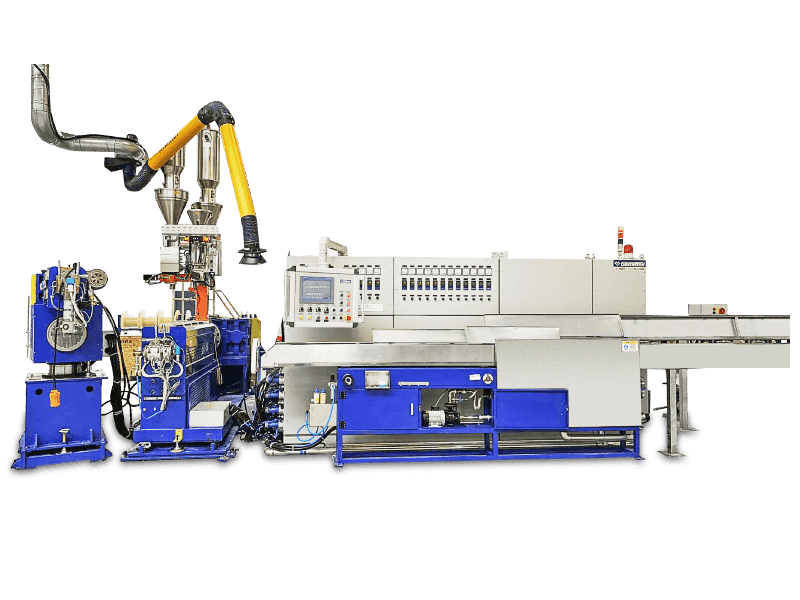

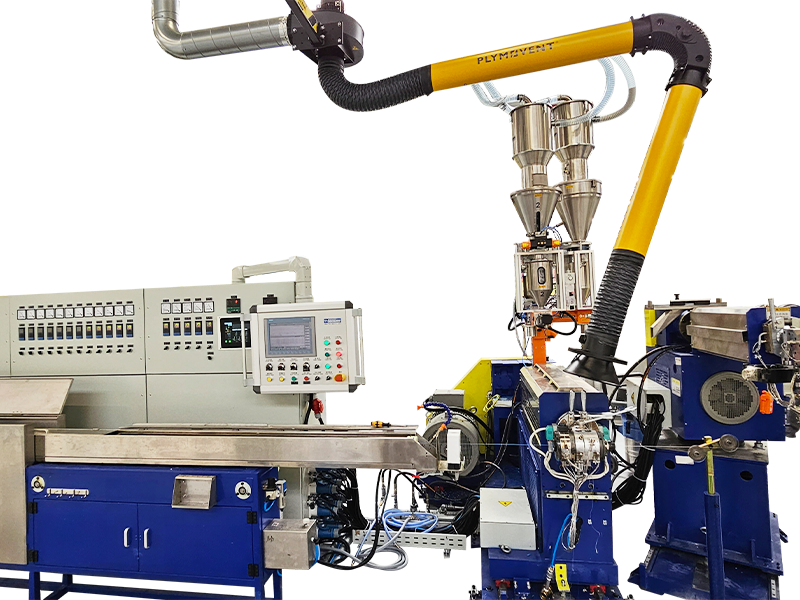

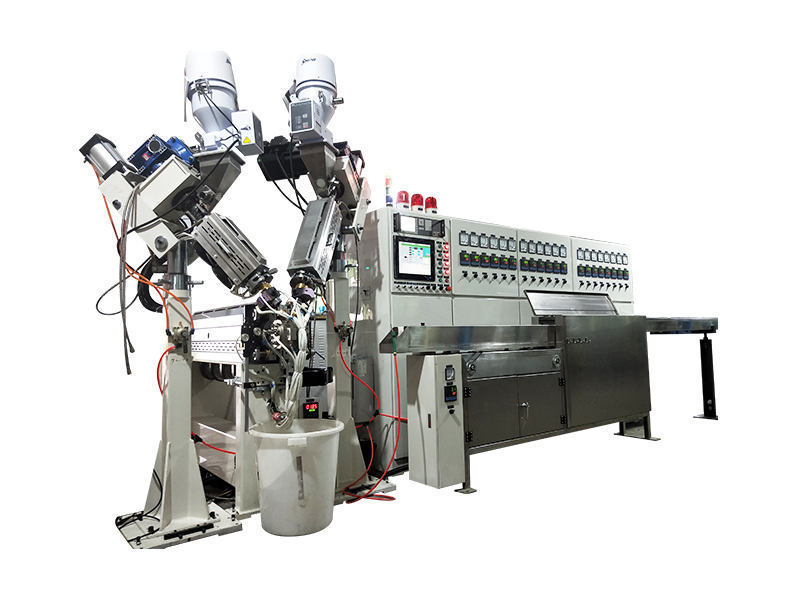
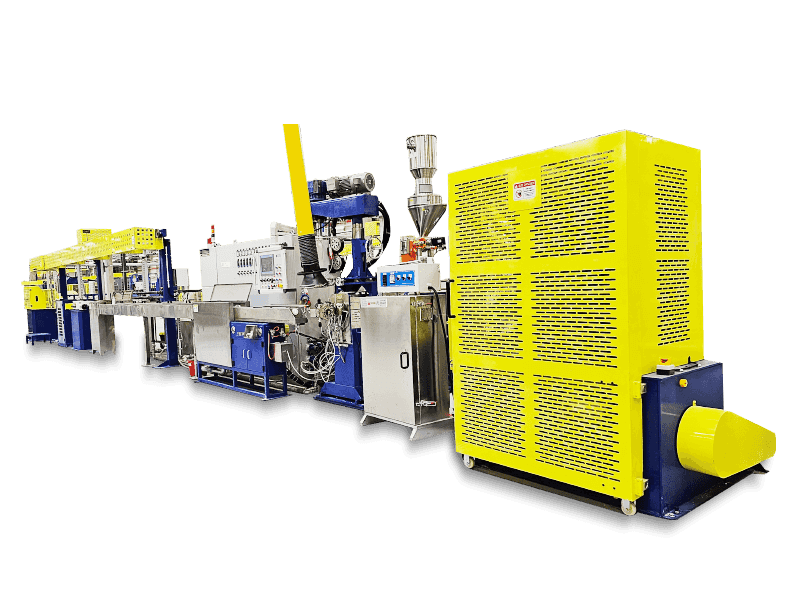
Core wire insulation extrusion is to cover the surface of the conductor with an insulating layer to insulate the conductor. According to the temperature level of the insulation material, it is divided into low-temperature extrusion and high-temperature extrusion; according to the density of the insulation layer, it is divided into solid extrusion and foam extrusion, and foam extrusion is divided into physical foaming and chemical foaming. According to the different solidization processes of the insulation layer, it is divided into water tank cooling molding and high-temperature drying tunnel cross-linking molding; According to the environmental protection level of the insulation layer, it is divided into environmentally friendly non-toxic material extrusion and non-environmental material extrusion; According to the insulation layer The fire-resistant and flame-retardant grades are different, which are divided into low smoke zero halogen flame-retardant extrusion and flammable material extrusion; according to different wire application fields, they are divided into electronic wire extrusion and signal wire extrusion; according to the extruder production line speed range is different, it is divided into the high-speed extrusion and low-speed extrusion.

Establishment time

Building area (m²)

Number of employees

Intellectual property
A Mature Factory You Can Count On
 2026-10-12
 Webmaster
The Direct Answer: What You Should Expect From a Copper Wire Stranding Cross Section Machine A copper wire stranding cross section machine is judged
Read More +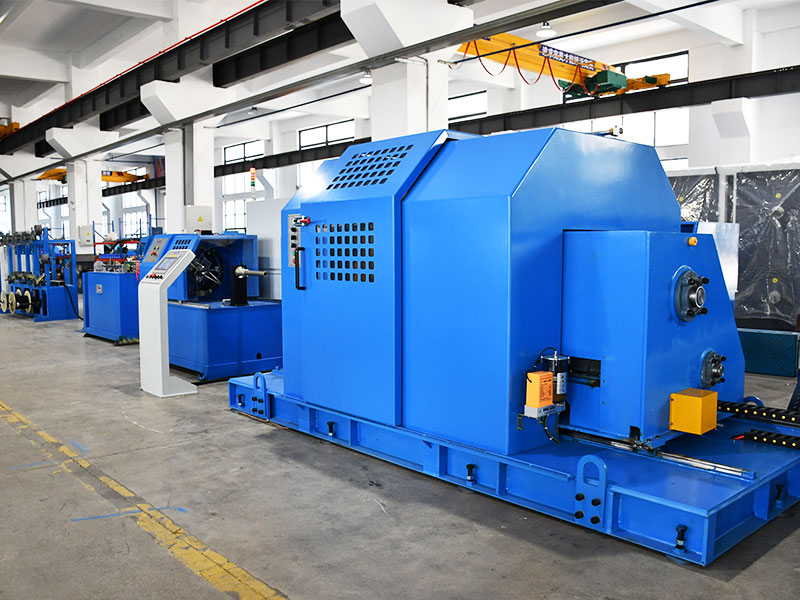
2026-10-05
Webmaster
What Is a Precision Wire Extrusion Machine? A precision wire extrusion machine is a production line that melts polymer resin, feeds it through a prec
Read More +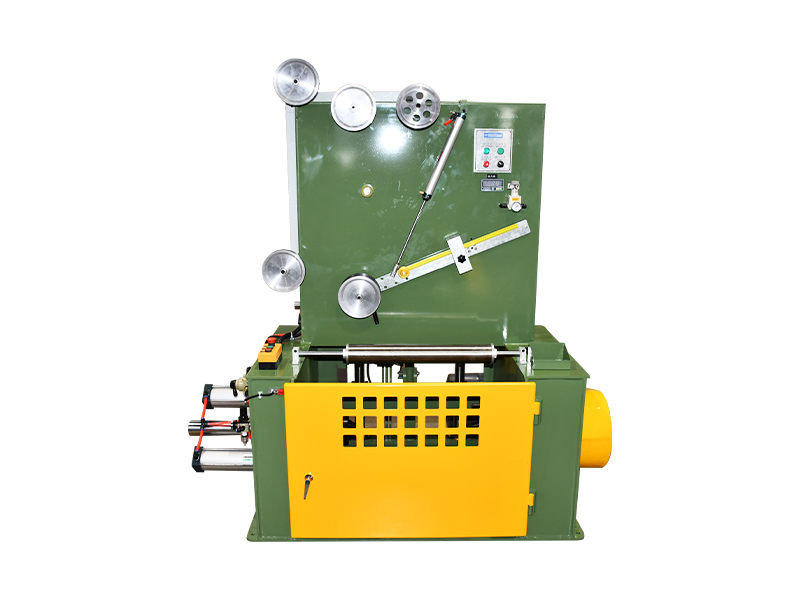
2026-09-29
Webmaster
Wire China 2026 | Successful Conclusion, A New Journey Together Watch the highlights from Wire China 2026, where industry professionals gath
Read More +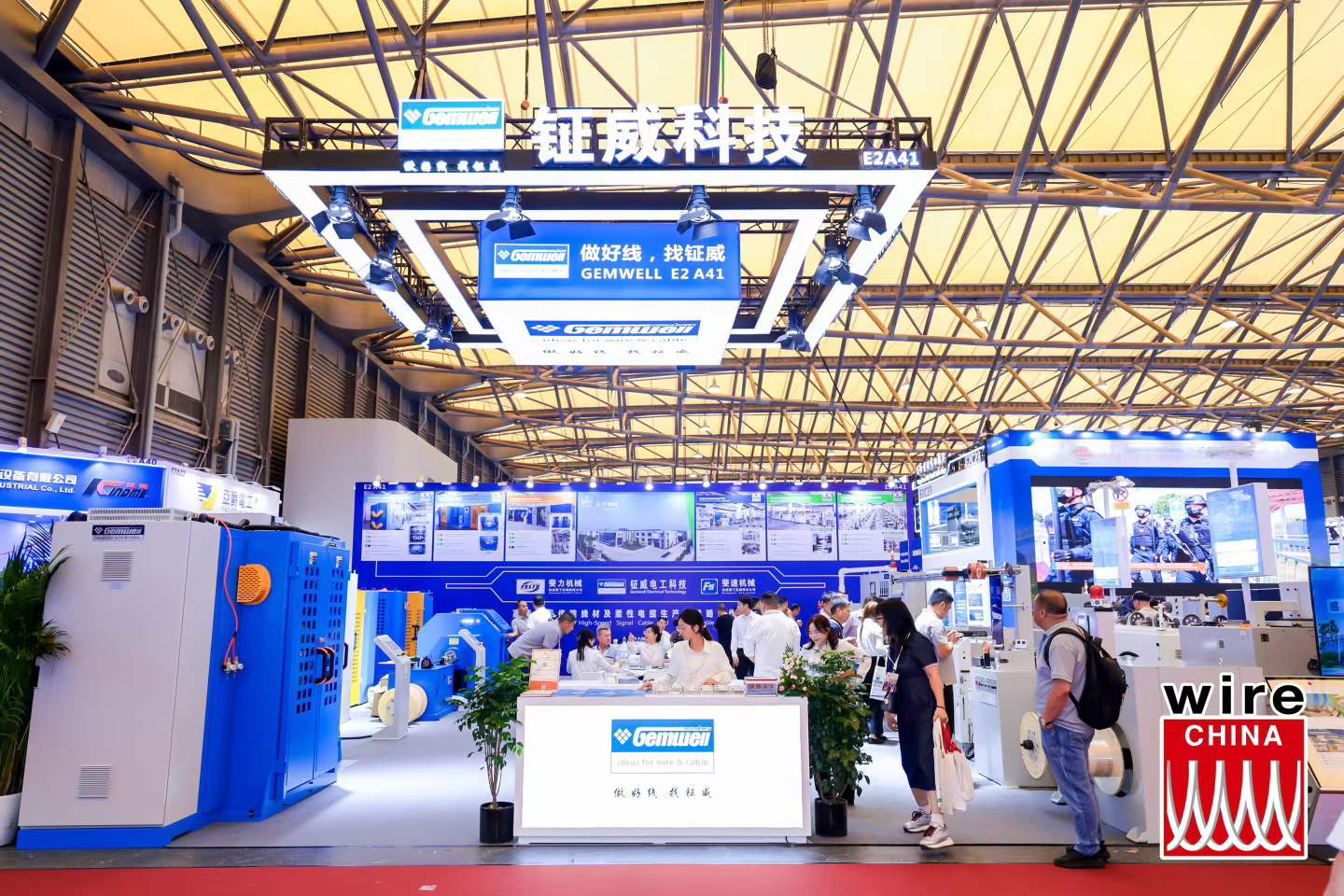
2026-09-28
Webmaster
Choosing a cable extrusion machine is a decision that rests on a few hard truths: the machine must match your material set, your line speed, and your
Read More +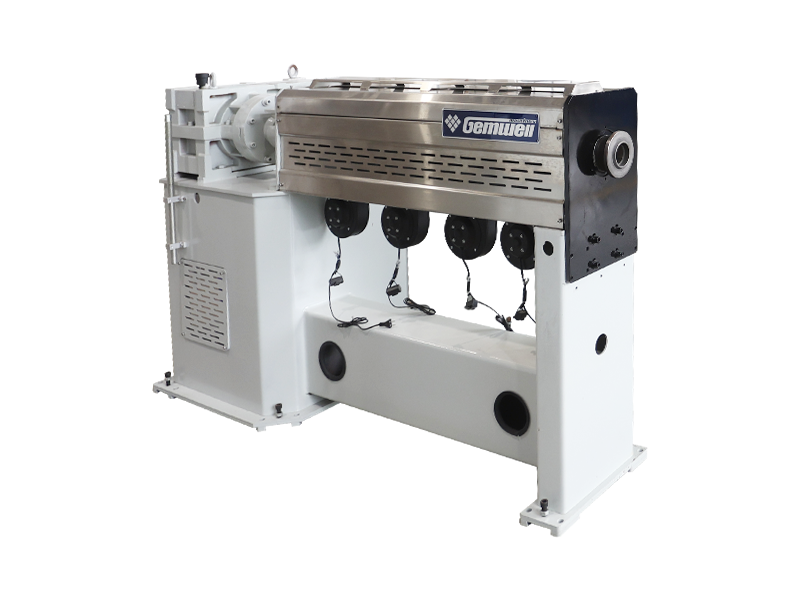
2026-09-21
Webmaster
.article-section{margin-bottom:40px;font-size:16px;line-height:2;color:#333;} .article-section p{font-size:16px!important;line-height:2;margin-bottom
Read More +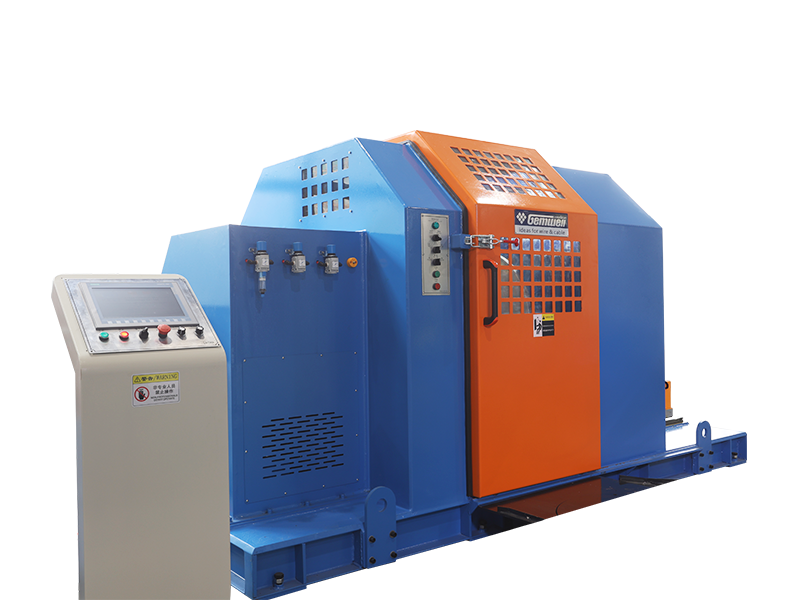
Coating a bare copper or aluminum conductor with the right polymer layer, at the right thickness, without slowing the line down, is the single hardest balancing act in wire and cable manufacturing. The equipment built for this task goes by several overlapping names in the industry - a Wire Insulation Extrusion Machine handles the primary insulation pass, a Cable Extrusion Machine typically extends into sheathing and jacketing, a High Speed Cable Extruder is tuned for throughput on high-volume conductor sizes, and a Wire And Cable Extruder or Precision Cable Extrusion Equipment configuration is chosen when tolerance control matters more than raw speed. In practice these are not five different machines so much as five different priorities that a single well-engineered extrusion line can be set up to serve.
At Wire Insulation Extrusion Machine selection, the first decision is almost never about speed - it is about the polymer. PVC compounds melt and process comfortably in a lower range, general-purpose polyethylene needs more heat to flow evenly, cross-linked polyethylene (XLPE) behaves differently again once cure additives are introduced, and fluoropolymers such as FEP require far higher barrel and die temperatures with much tighter shear control. A screw with the wrong compression ratio for the resin will either scorch the material or leave it under-plasticated, and both failure modes show up later as inconsistent insulation resistance or surface defects. Gemwell Electrical Technology Co., Ltd. designs screw geometry and die land length around the specific resin family a customer is running, rather than offering one universal profile, because the melt behavior differences between these materials are large enough to change output quality even when line speed stays constant.
Pushing a High Speed Cable Extruder to higher output almost always puts pressure on wall thickness tolerance, because faster melt flow through the die leaves less time for the polymer to relax before it reaches the cooling trough. This is why capacitance and eccentricity monitoring sit right after the die on most modern lines - operators need real-time feedback to catch drift before an entire spool is out of specification. On Precision Cable Extrusion Equipment, Gemwell pairs a longer, better-tempered cooling trough with tighter die concentricity adjustment so that a customer running fine-gauge signal or data cable does not have to trade output for consistency; the goal is to keep the tolerance curve as flat as possible across the practical speed range rather than accepting a steep trade-off.
The curve flattens on a well-tuned line, but it never disappears entirely - which is why die concentricity checks belong in every changeover routine rather than only at initial setup.
A Cable Extrusion Machine rarely runs as an isolated station in a modern plant - insulation extrusion, twisting, wrapping, and final cabling are increasingly treated as one connected process rather than four separate jobs. Gemwell's approach centers on mastering all four of these steps together, because a change made upstream at the extruder (die swell, cooling rate, take-up tension) shows up downstream as a twisting or cabling problem if the two stages are not communicating. Digital measurement and adjustment tools - line speed synchronization, tension feedback, and automated data logging across stations - give operators a way to see that connection instead of discovering it after the fact on a finished reel.
This is also where a Wire And Cable Extruder earns its keep on multi-core or data cable jobs: consistent insulation diameter feeding into the twisting stage means fewer pair-to-pair imbalance issues later, which is a cost saved well before the cable ever reaches a customer's own quality check.
Sustainability in cable manufacturing rarely starts with a policy statement - it starts on the extrusion line, where a thinner but still compliant insulation wall, held consistently, is the most direct way to use less polymer per meter of finished cable. Gemwell frames this as helping customers achieve more output with less material: tighter tolerance control is not only a quality argument, it is a resin-consumption argument, since every fraction of a millimeter of unnecessary over-thickness on a high-volume job compounds into real material cost across a production run. Reducing rework and off-spec scrap has the same effect - fewer meters need to be re-run, which lowers both material use and machine hours per finished kilometer of cable.
| Insulation Material | Typical Wall Range | Common Application |
|---|---|---|
| PVC | 0.5-1.5 mm | General building wire |
| PE | 0.4-1.2 mm | Communication and data cable |
| XLPE | 0.7-3.0 mm | Power cable insulation |
| FEP | 0.2-0.6 mm | High-temperature signal cable |
Mostly the cooling and monitoring setup rather than the extruder barrel itself - a high-speed configuration prioritizes throughput and shorter cooling residence time, while a precision configuration extends cooling and tightens the die/monitoring loop, even if that means running somewhat slower on the same conductor size.
It can, but the screw and die profile need to suit the widest range of resins the line is expected to run - a profile picked only for PVC will underperform badly if XLPE or FEP is introduced later, so material flexibility is a decision made at the design stage, not something added afterward.
Screw speed controls how much melt reaches the die, but the die itself controls how evenly that melt is distributed around the conductor - a mismatched die will produce eccentricity problems no matter how well the screw is tuned upstream.
On high-volume runs, yes - even a small reduction in average wall thickness, held consistently rather than just at the low end of a tolerance band, adds up to a measurable amount of resin saved per kilometer of finished cable.

 Custom Wire Insulation Extrusion Machine Manufacturers