E-mail: info@gem-cablesolution.com
 Address: No.8 Yuefeng Rd, High Tech Zone, Dongtai, Jiangsu, China | No.109 Qilin East Rd, Daning, Humen, Dongguan, Guangdong, China.
 English
  English
 русский
 日本語
日本語 Español
 عربى
عربى 中文简体
中文简体 Product Category



Establishment time

Building area (m²)

Number of employees

Intellectual property
A Mature Factory You Can Count On
 2026-09-21
 Webmaster
.article-section{margin-bottom:40px;font-size:16px;line-height:2;color:#333;} .article-section p{font-size:16px!important;line-height:2;margin-bottom
Read More +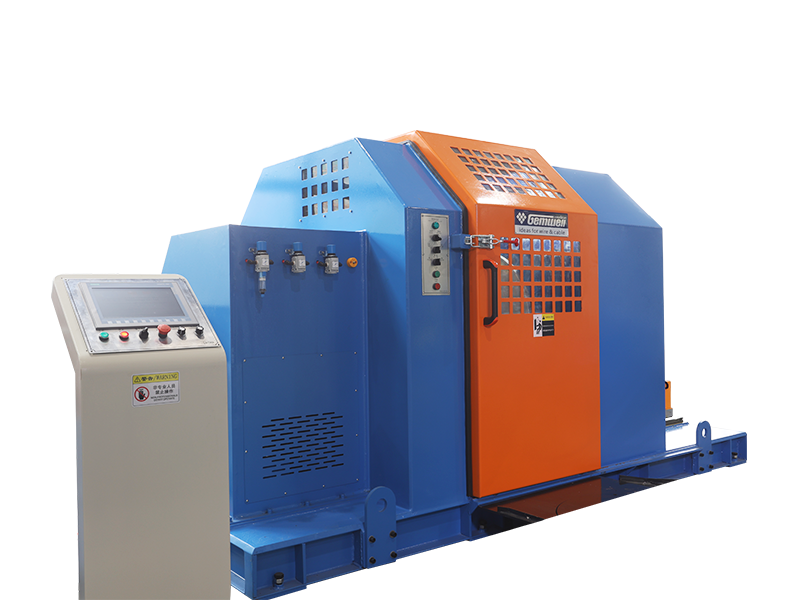
2026-09-17
Webmaster
GEMWELL bring the most updated machine technical solutions for High Speed Copper Cable production here in Suzhou, China.Highlights: • Core wire
Read More +
2026-09-14
Webmaster
A high power wire extruder is the backbone of any cable plant that produces large-diameter or high-throughput wires. Unlike standard extruders, these
Read More +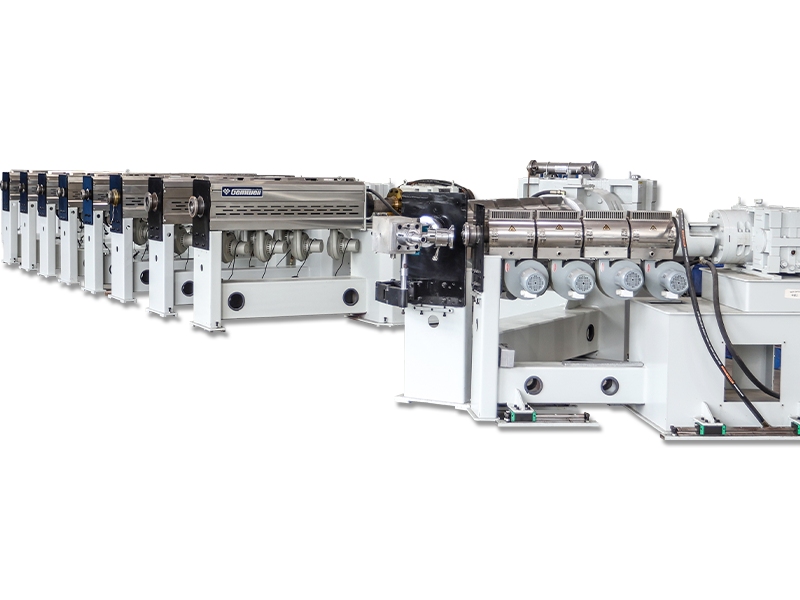
2026-09-07
Webmaster
What Bunch Stranding Means Bunch stranding is a conductor construction method where two or more bare wires are twisted together in a single operation
Read More +
2026-09-04
Webmaster
About GEMWELLWe sincerely look forward to welcoming you at, Hall E2, Booth No.A41and will spotlight our latest solutions across three core technology
Read More +
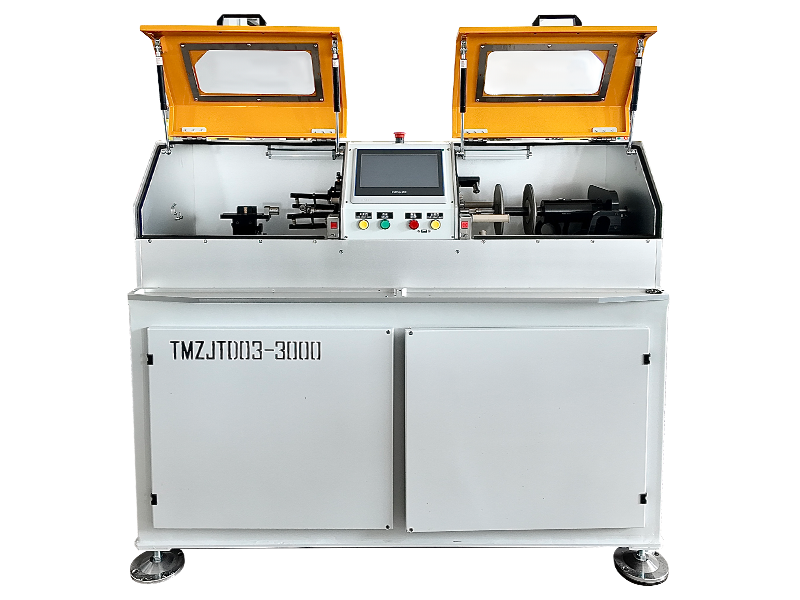
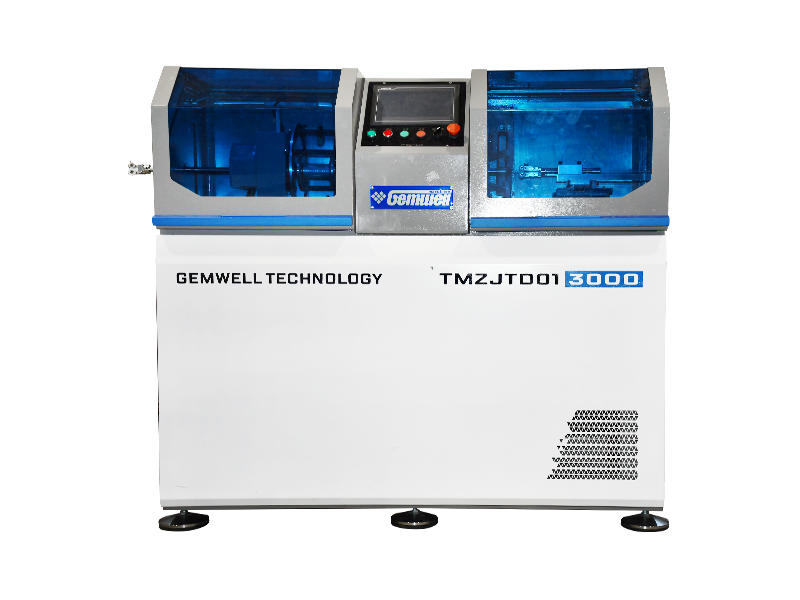
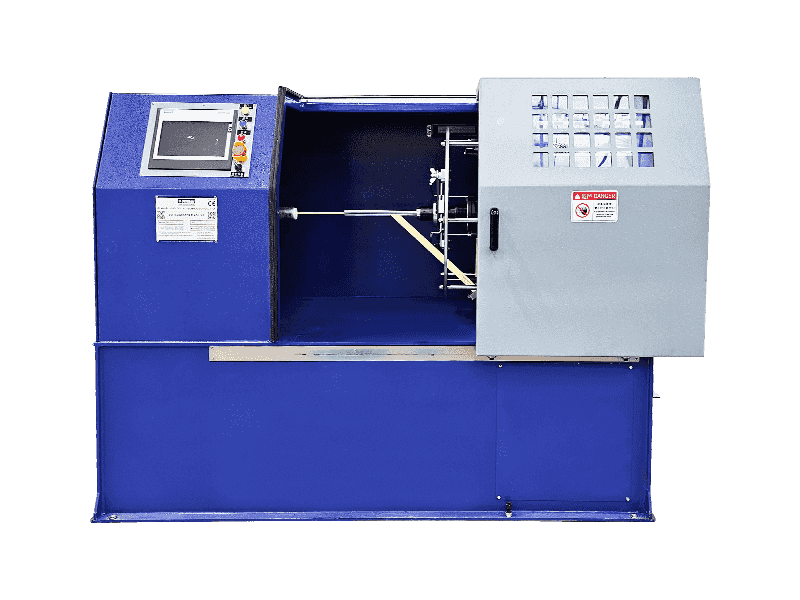
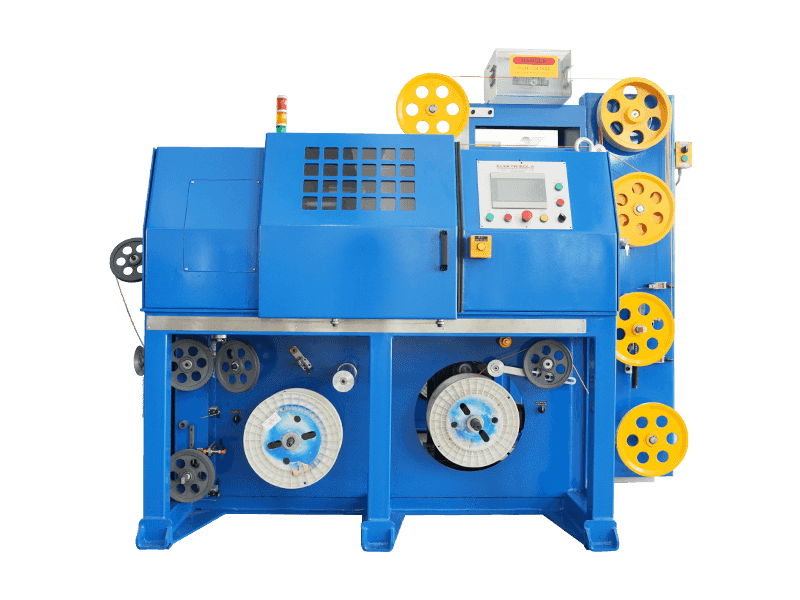
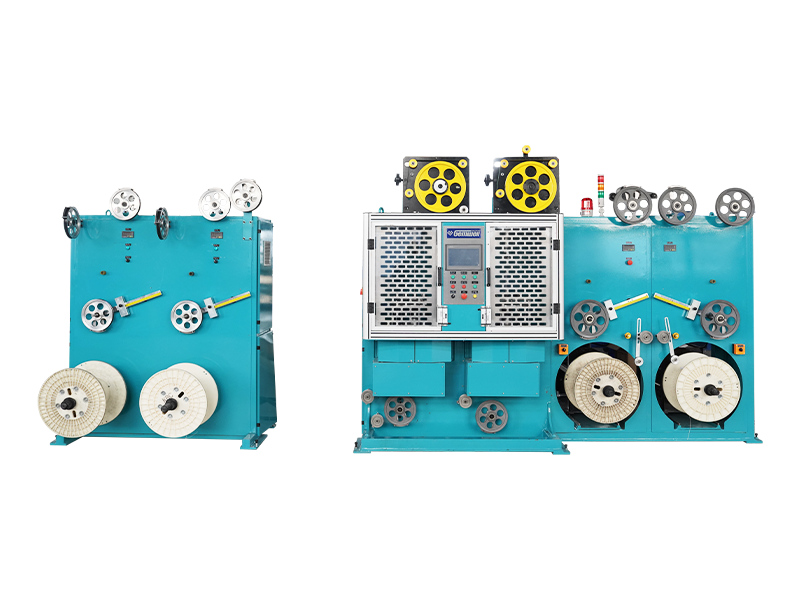
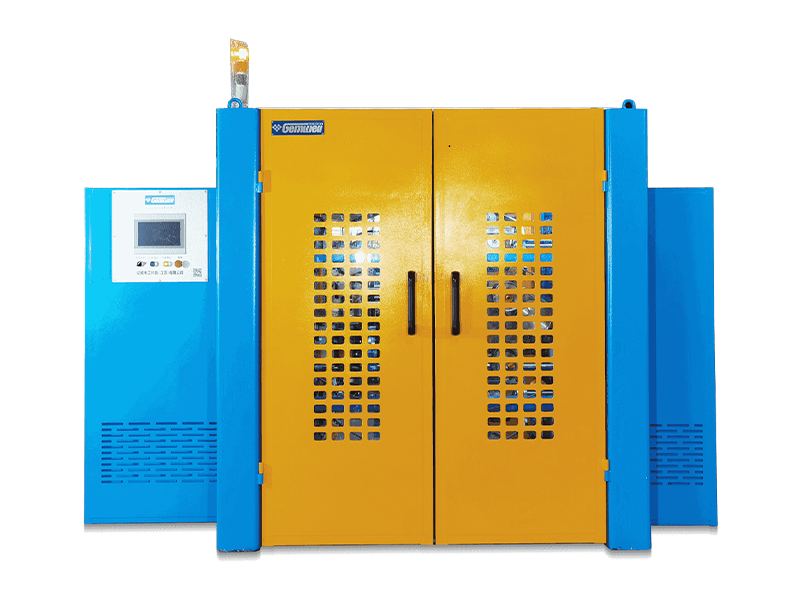
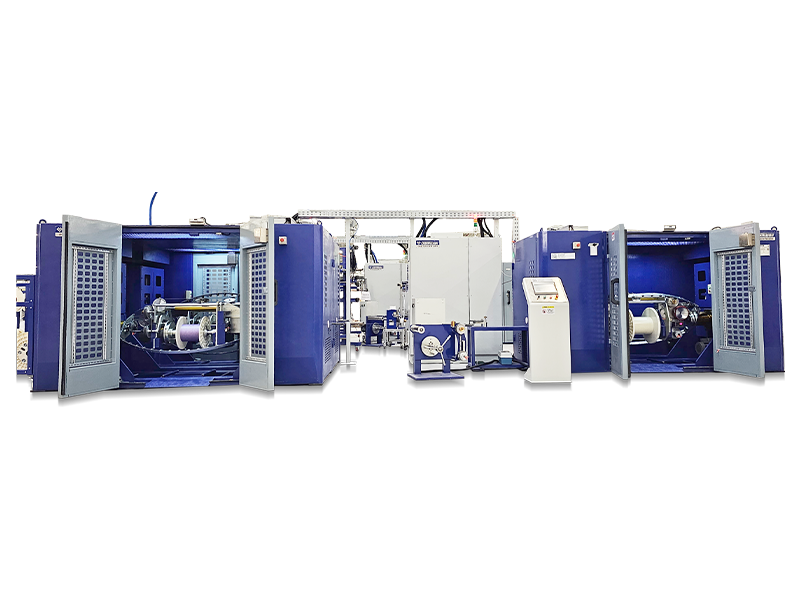
Wire and cable machinery equipment covers the full set of production-line technology used to turn raw copper, aluminum, and polymer inputs into finished conductors and cables — pay-off and take-up systems, extrusion lines, stranding and bunching machines, and cooling and inspection stations. Whether the output is building wire, automotive harnessing, or industrial control cable, this equipment category is what determines how consistently a manufacturer can hold tolerances, control line speed, and keep downtime low across long production runs. Anyone evaluating wire and cable machinery equipment is usually weighing three things at the same time: how the stages of a line interact with each other, how speed trades off against precision, and how a given configuration matches the gauge range and application it needs to serve.
At GEMWELL Electrical Technology Co., Ltd, a production line is usually broken down into four working stages that together turn a spool of raw wire into finished cable: pay-off, extrusion, cooling, and take-up. Each stage carries a different share of the line's overall footprint and cycle time, and getting that balance right shapes both throughput and floor-space planning long before anyone looks at line speed. A cooling section that is too short for the extrusion output, for example, tends to become the bottleneck that limits everything downstream of it.
Because extrusion and cooling together take up roughly two-thirds of a typical line's length, shopping for Wire And Cable Machinery Equipment that fits an existing plant layout usually starts with resolving that footprint balance before speed or output targets are even discussed. Getting this sequencing wrong is one of the more common reasons a new line underperforms its rated capacity in the first few months of operation.
Raising line speed on an extrusion stage shortens the time insulation has to cool before it reaches the take-up spool. In GEMWELL's experience supplying lines across more than 40 countries, wall-thickness consistency tends to hold steady up to a certain speed threshold and then starts to drift once the cooling trough can no longer keep pace with throughput — which is why cooling length and speed rating have to be sized together rather than treated as separate decisions.
No single line configuration covers every gauge range well. A setup built around fine-gauge signal wire will generally use smaller extruder barrels and tighter cooling troughs than one built for heavier power cable, and pushing either type outside its intended gauge window usually shows up first as inconsistent capacitance or wall thickness rather than an outright failure. The table below sketches how gauge range typically maps to line type in general practice.
| Cable Gauge Range | Typical Application | Common Line Configuration |
|---|---|---|
| Fine gauge (small conductor diameters) | Signal and data cable | Compact extrusion line, short cooling trough, high-speed take-up |
| Mid gauge | Building wire and control cable | Standard single-screw extrusion with mid-length cooling |
| Heavy gauge (large conductor diameters) | Power cable and industrial harnessing | Larger-barrel extrusion, extended cooling, reinforced take-up |
Because a mismatch between gauge and line design tends to surface as a quality issue rather than a breakdown, it is worth confirming gauge range, insulation material, and target output together before finalizing a Wire And Cable Machinery Equipment order. This is the kind of match GEMWELL Electrical Technology Co., Ltd works through with each client, since the success of the customer is the goal the company measures itself against.
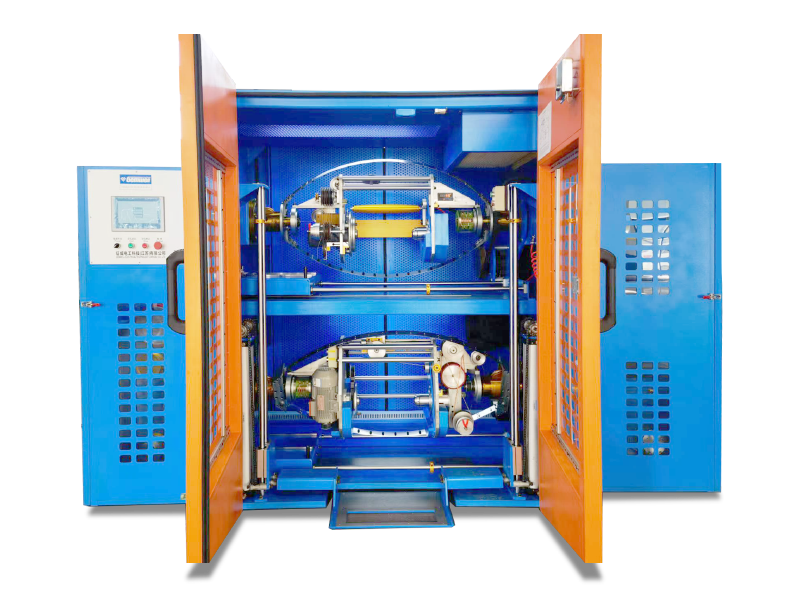
A stranding line twists individual wires around a central core in a fixed geometric pattern, which is common for larger power conductors that need predictable flexibility and current distribution. A bunching machine combines fine wires more loosely without that fixed geometry, which suits smaller flexible conductors used in cords and control cable.
It depends heavily on cooling-trough length and take-up capacity, both of which scale with gauge and target speed. As a rough starting point, extrusion and cooling stages together commonly take up more than half of a line's total length, so floor plans are usually built around those two stages first.
Within a limited range, yes — many lines are built with adjustable die sets and tooling to cover a band of gauges. Pushing a line far outside the gauge range it was designed for tends to reduce output quality even when the equipment keeps running.
Aluminum's lower tensile strength and different thermal behavior usually call for gentler tension control on pay-off and take-up, along with adjusted extrusion temperature profiles. Tooling wear patterns can also differ, which is why conductor material is normally specified up front rather than adjusted after a line is built.
Insulation needs a set amount of time to solidify evenly after extrusion. At higher speed, the wire spends less time inside a given cooling trough length, so if the trough was not sized for that speed, the insulation can set unevenly and affect wall-thickness consistency.

 Custom Wire And Cable Machinery Equipment Suppliers