E-mail: info@gem-cablesolution.com
 Address: No.8 Yuefeng Rd, High Tech Zone, Dongtai, Jiangsu, China | No.109 Qilin East Rd, Daning, Humen, Dongguan, Guangdong, China.
 English
  English
 русский
 日本語
日本語 Español
 عربى
عربى 中文简体
中文简体



Content
- 1 What A Wire Coiling Machine Does And Why It Matters
- 2 Main Types Of Wire Coiling Machines On The Market
- 3 Wire Coiling Machine Versus Wire Taping Machine: Where Each One Fits
- 4 Core Components And What To Check Before You Buy
- 5 How Coiling Behavior Changes Across Common Wire Materials
- 6 A Full Production Cycle, Step By Step
- 7 How To Choose The Right Wire Coiling Machine For Your Line
- 8 Integrating A Wire Taping Machine Into A Coiling Line
- 9 Industries That Rely On Wire Coiling Equipment Daily
- 10 Maintenance Habits That Extend Machine Life
- 11 Troubleshooting Common Wire Coiling Machine Problems
- 12 What Is Changing In Wire Coiling Technology Right Now
- 13 Manual, Semi-Automatic, And Fully Automatic Coiling Compared
- 14 Evaluating A Supplier Or Factory Before Placing An Order
- 15 Common Mistakes Buyers Make When Specifying A Coiling Machine
- 16 Cost Factors And Return On Investment
- 17 Frequently Asked Questions
- 17.1 What wire diameters can a typical wire coiling machine handle?
- 17.2 Do I need a separate Wire Taping Machine, or can it be built into the coiler?
- 17.3 How often should tension sensors be recalibrated?
- 17.4 What causes coils to come out loose after taping?
- 17.5 Can one machine coil different wire materials, such as steel and copper, without major changeover?
- 17.6 How much floor space does a combined coiling and taping line need?
- 17.7 How long does a coiling head typically last before major parts need replacing?
- 17.8 Is servo drive always better than a standard AC motor with an inverter?
- 17.9 What is the biggest factor in how many coils a machine can produce per shift?
- 17.10 Should tape width be the same across all coil sizes produced on one line?
What A Wire Coiling Machine Does And Why It Matters
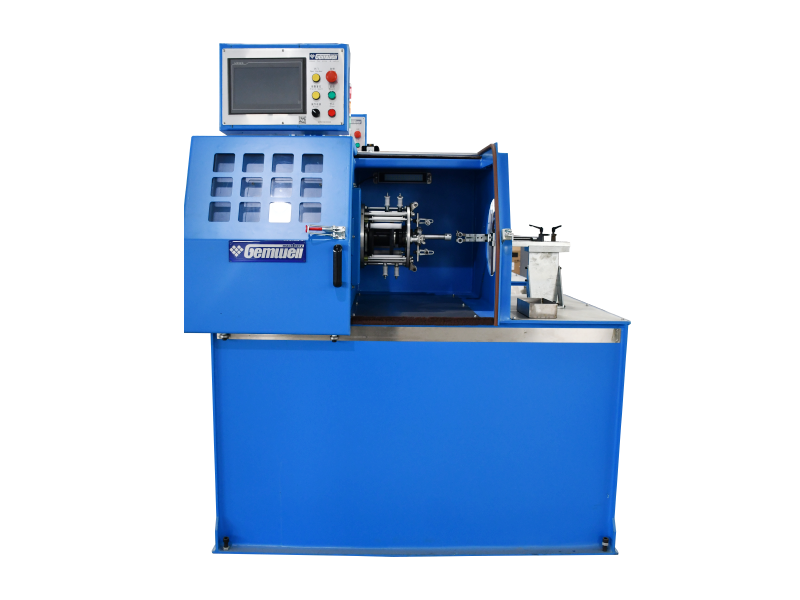
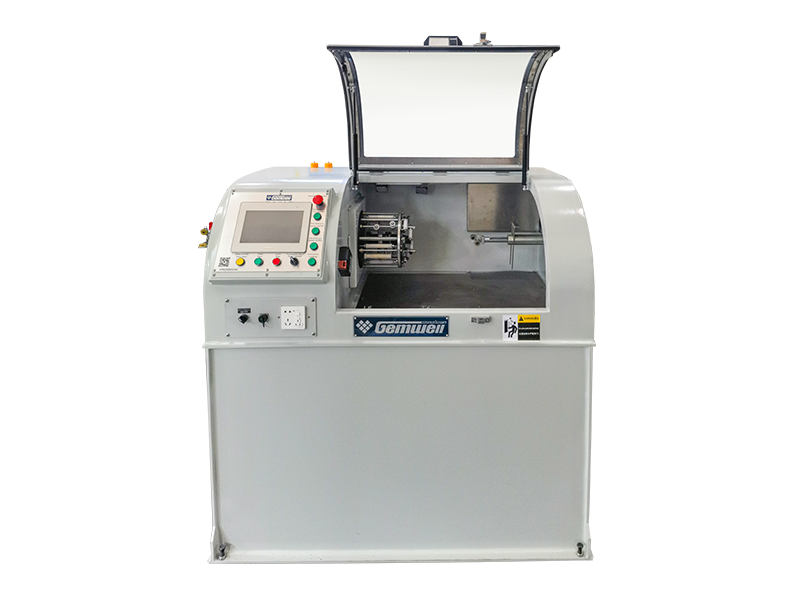
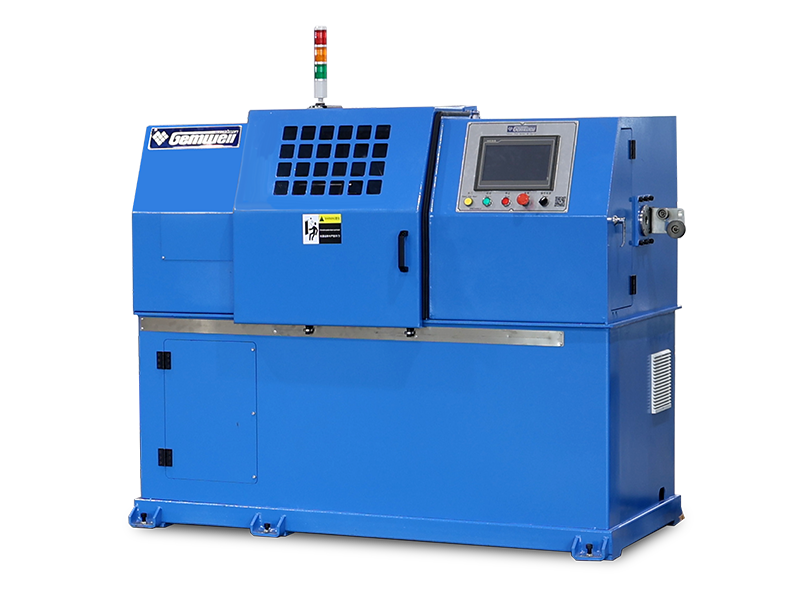
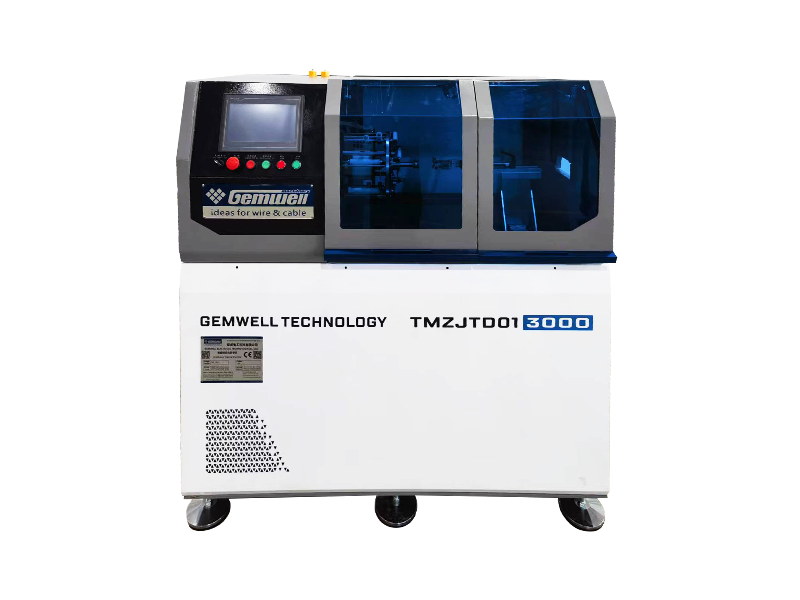
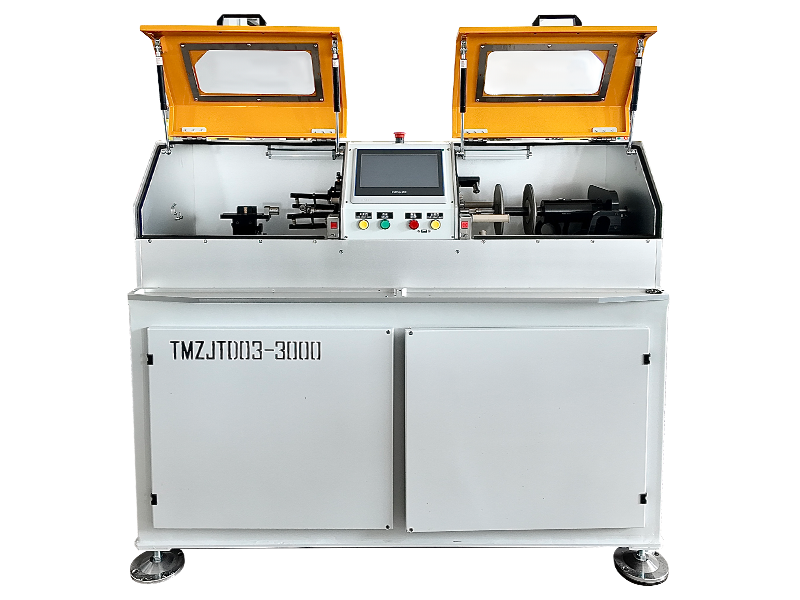
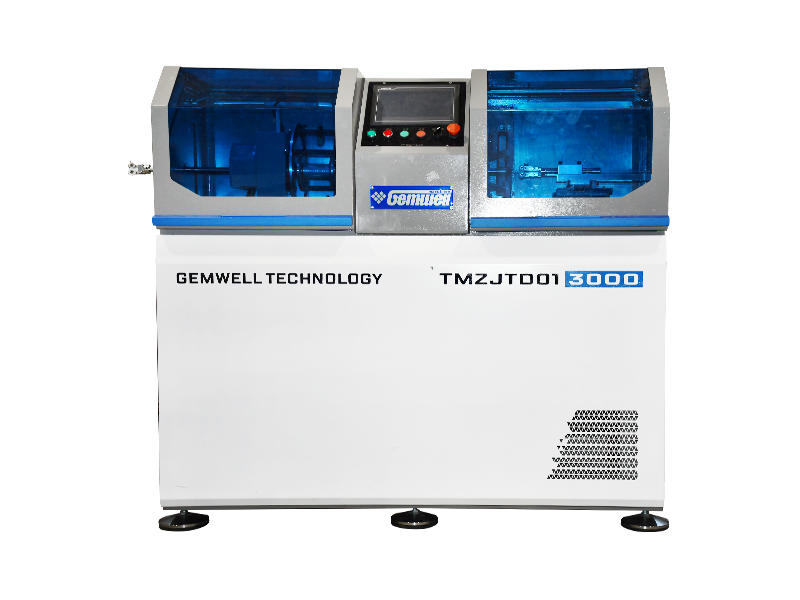
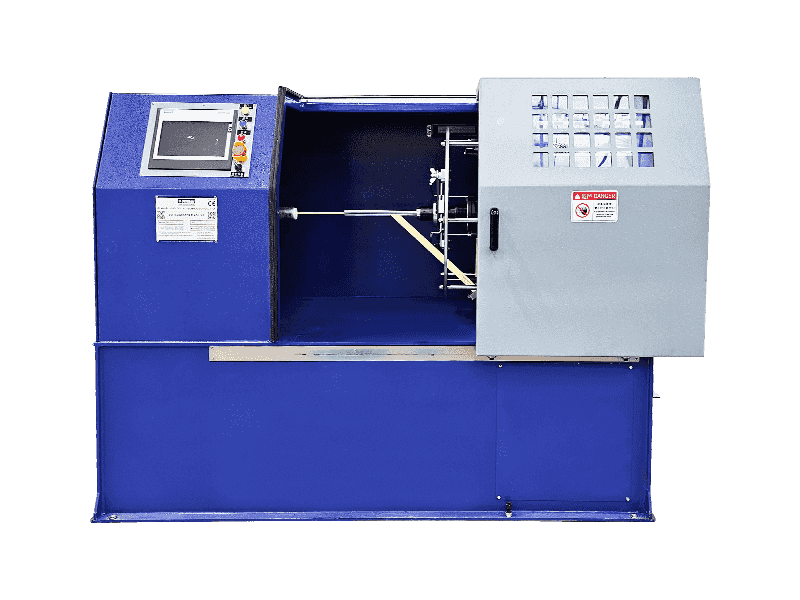
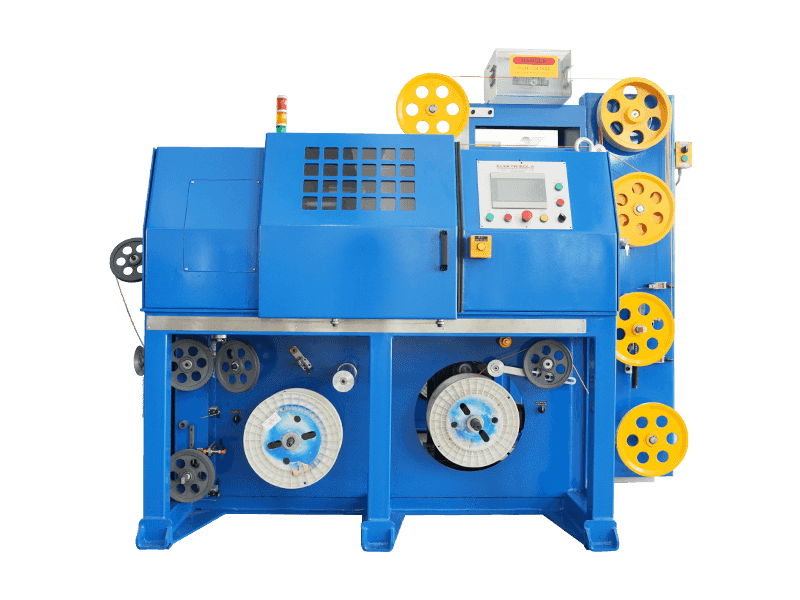
A wire coiling machine takes straight or spooled wire and winds it into uniform, tightly controlled coils at high speed, then cuts, ties, or bands each coil so it can be packed, shipped, or fed straight into the next process step. The short version: if a factory needs consistent coil diameter, repeatable turn count, and clean coil ends without kinks or overlaps, this is the machine that does it, and pairing it with a Wire Taping Machine right after the coiling head closes the loop between winding and packaging in a single continuous line.
Wire producers, cable assembly shops, spring makers, and welding consumable plants all rely on this equipment because manual coiling is slow, inconsistent, and hard on labor. A worker coiling by hand might produce 40 to 60 coils per shift depending on wire diameter; a mid-range automatic coiler running at 300 to 800 RPM on the take-up head can turn out 400 to 1,200 coils in the same period, with far tighter dimensional tolerance from coil to coil.
Beyond raw output, the deeper reason plants replace manual coiling is variance. When a person coils wire by hand, turn spacing, tension, and final coil diameter shift slightly from coil to coil and even more from operator to operator across shifts. That variance shows up later as feed problems on a welding robot, tangled pay-off on a nail header, or coils that customers reject for uneven winding. A properly set up coiling machine removes most of that variance because tension, speed, and turn count are controlled by the same sensors and settings every single cycle.
The rest of this guide walks through machine types, how a wire coiling machine and a Wire Taping Machine work together, the components buyers should scrutinize before ordering, how the machine behaves differently across common wire materials, a full walk-through of a production cycle from raw wire to finished banded coil, maintenance habits that actually extend service life, sourcing and factory evaluation considerations, common buying mistakes, and the questions that come up most often from plant engineers evaluating new equipment in 2026.
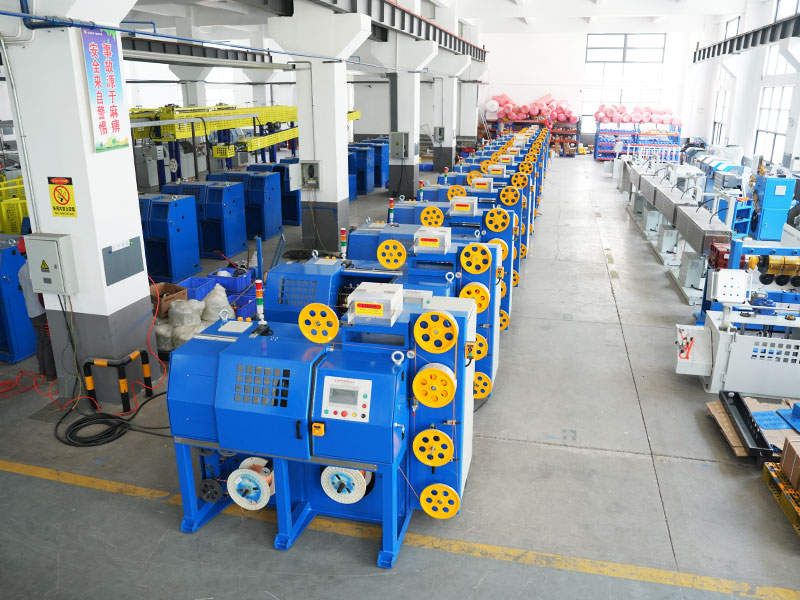
Main Types Of Wire Coiling Machines On The Market
Coiling equipment is not one-size-fits-all. The wire gauge, material hardness, coil weight target, and downstream packaging method all push buyers toward a different configuration. Below are the categories that cover the vast majority of installed machines in wire, cable, and spring production plants today.
Horizontal Ring Coilers
These wind wire around a rotating arm or spinner while the wire feeds in from a fixed axis, producing ring-shaped coils that lie flat. They are the standard choice for welding wire, fencing wire, and general mild steel wire where coil weight runs from 15 kg to over 1,000 kg per coil. Horizontal coilers are prized for a low center of gravity, which keeps the machine stable even at faster spindle speeds. Because the coil sits flat during winding, gravity helps the wire settle into place evenly, which is part of why this layout remains the most common choice for heavier gauge wire.
Vertical Barrel Or Basket Coilers
Wire is laid into a rotating basket or barrel in a figure-eight or level-wind pattern, which is common for finer gauge wire used in spring manufacturing, nail wire, or copper and aluminum conductor wire destined for further drawing. This layout tends to reduce wire twist and torsional stress compared with reel-to-reel winding, which matters because twisted wire can cause uneven drawing dies wear and inconsistent surface finish on soft metals.
Precision Layer Winders
Used where every turn must sit exactly next to the previous one, layer winders are common in enameled magnet wire, welding wire for robotic feed systems, and any coil that must pay off without tangling later. A traverse mechanism moves back and forth in sync with spindle rotation, and pitch accuracy is often held within 0.1 to 0.3 millimeters. This tight tolerance is what allows a robotic welding cell to pull wire continuously for hours without a single snag interrupting the weld cycle.
Combination Coiling And Taping Lines
Rather than running coiling and packaging as two separate stations, many plants now install a combination line where the coiler discharges directly into a Wire Taping Machine or strapping head. This removes manual handling between the two steps and is quickly becoming the default configuration for mid-to-high volume welding wire and MIG wire operations, since it also frees up floor space that would otherwise be needed for a buffer conveyor between two separate machines.
Rotating Flyer Coilers
A flyer arm rotates around a stationary spool or mandrel, laying wire down while the take-up point stays fixed. This design suits smaller diameter, high-speed applications where the wire itself is too delicate to be pulled through a spinning ring, such as fine copper wire or coated wire where surface scuffing has to be kept to a minimum.
Double Head Or Dual Spindle Coilers
Two coiling heads run in parallel or alternate on the same base frame so one head can be unloading a finished coil while the other keeps winding, cutting dead time between cycles close to zero. This configuration is common in plants running high daily volume where even a few seconds of downtime per cycle adds up to a meaningful output loss over a full shift.
Wire Coiling Machine Versus Wire Taping Machine: Where Each One Fits
These two machines get confused often because they usually sit right next to each other on the production floor, but they solve different problems.
Wire Coiling Machine
Forms the wire into a coil, controls turn count and coil diameter, and determines final coil weight. Its main job is shaping and measuring, not securing. Everything about the coil's internal geometry, how tightly wound it is, how evenly the layers stack, and how clean the start and end points are, comes from this stage.
Wire Taping Machine
Wraps tape, or in some setups plastic strapping, around the finished coil at two or more points so the coil holds its shape during handling, storage, and transport. Without this step, a coil of spring steel or welding wire can spring open and tangle the moment it leaves the machine. The taping stage is purely about preserving the shape the coiler already created, not correcting a poorly wound coil.
In an efficient layout, the coil transfers from the coiling head onto a turntable or conveyor where the taping unit indexes around it, applies tape at the programmed number of points, and releases the finished, banded coil onto a takeaway conveyor. Plants that skip the taping step and rely on hand-tying report roughly 3 to 5 times longer cycle time per coil and noticeably higher scrap from coils that loosen before they reach the customer.
It also helps to think about failure modes separately. A coiling problem shows up as an oval, loose, or overlapping coil straight off the head. A taping problem shows up later, often after the coil has already been through a few handling steps, as tape that has slipped, torn, or failed to hold the coil closed. Diagnosing which stage caused a customer complaint saves a lot of wasted troubleshooting time on the shop floor.
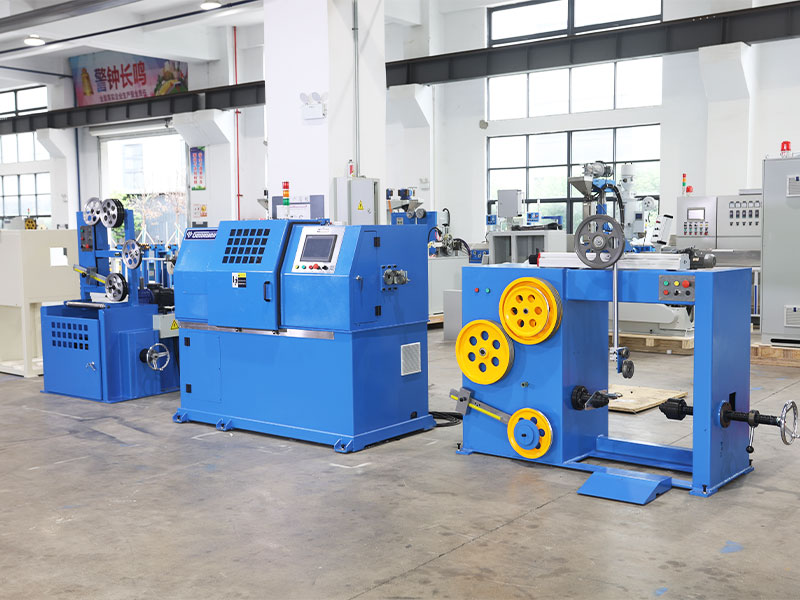
Core Components And What To Check Before You Buy
Every wire coiling machine, regardless of brand, is built around the same handful of subsystems. Knowing what each one contributes helps a buyer read a specification sheet correctly instead of just comparing headline speed numbers.
| Subsystem | Small Duty | Medium Duty | Heavy Duty |
|---|---|---|---|
| Wire diameter range | 0.2 to 1.6 mm | 1.6 to 6.0 mm | 6.0 to 16 mm |
| Coil weight capacity | Up to 25 kg | 25 to 250 kg | 250 to 1,200 kg |
| Spindle speed | Up to 1,200 RPM | 300 to 800 RPM | 80 to 300 RPM |
| Drive type | AC motor with inverter | Servo motor | Servo with gearbox reduction |
| Typical changeover time | 5 to 10 minutes | 10 to 25 minutes | 20 to 45 minutes |
Feed And Tension Control
A dancer arm, pneumatic tensioner, or closed-loop load-cell system keeps wire feeding into the coiling head at a constant, controllable tension. Uneven tension is the single most common cause of loose or oval coils, so this component deserves more attention than most buyers give it during equipment selection. On higher-end machines, the tensioner reports live feedback to the control panel, letting an operator see a tension trend before it turns into a rejected coil rather than discovering the problem after the fact.
Coiling Head Or Spinner
This is the rotating element that actually shapes the wire into a ring or layer. Head diameter is usually adjustable across a defined range, letting one machine handle several coil sizes without a full tooling change. The bearing quality inside this assembly has an outsized effect on both noise level and long-term maintenance cost, since it runs continuously at the machine's full rated speed.
Counting And Length Measurement
An encoder wheel or optical counter tracks turns or linear length so the machine cuts at the exact target weight or length. Modern controllers hold length accuracy within 0.5 percent on well-maintained equipment. This measurement also feeds directly into coil weight calculations, which matters for plants that sell wire by weight and need to avoid consistently over-filling coils.
Cutting And Ejection
Once the target count is reached, a pneumatic or hydraulic shear cuts the wire, and an ejector arm or tilting cradle pushes the finished coil onto the next station, frequently a Wire Taping Machine. A clean, burr-free cut matters more than it sounds, since a ragged wire end can snag on the next coil during stacking or catch on packaging film during wrapping.
Control Panel And Recipe Storage
The human-machine interface is where an operator sets wire diameter, target coil weight or turn count, spindle speed, and tension targets. Machines with recipe storage let a plant save a full parameter set for each product and recall it in seconds rather than re-entering every value by hand at every changeover, which is one of the biggest quiet time-savers in a multi-product plant.
How Coiling Behavior Changes Across Common Wire Materials
The same coiling machine can behave quite differently depending on what material is running through it, and buyers who overlook this end up chasing quality problems that are really material mismatches rather than machine faults.
Mild Steel And Welding Wire
Fairly forgiving to coil since it holds shape well, but heavier gauge steel needs stronger tensioning and a sturdier coiling head bearing arrangement to avoid deflection at speed.
Copper And Aluminum Conductor Wire
Softer and more prone to surface marking, so tension needs to run lower and guide rollers benefit from a smoother, often coated, contact surface to avoid scuffing the finish.
Spring Steel
High spring-back tendency means the coil wants to open up the moment tension is released, which is exactly why the taping step matters so much for this material and why taping point count is usually higher for spring wire than for softer metals.
Stainless Steel Wire
Higher hardness increases wear on guide rollers and the cutting shear blade over time, so plants running a lot of stainless typically replace wear parts on a shorter cycle than plants running mostly mild steel.
Coated Or Insulated Wire
Enamel or plastic coatings can be damaged by excess tension or rough guide surfaces, so these materials usually run at reduced tension with extra attention paid to keeping guide rollers clean and free of embedded debris.
A Full Production Cycle, Step By Step
Understanding the actual sequence a coil goes through helps a buyer ask sharper questions during a factory visit or equipment demonstration, since each step is a place where quality can be gained or lost.
- Raw wire pays off from a supply spool or drawing line and passes through an initial straightener to remove any set curvature from upstream processing.
- Wire enters the tensioning system, where a dancer arm or load cell holds a steady pull as it feeds toward the coiling head.
- The coiling head or spinner begins winding, guided by the traverse mechanism if the machine is a precision layer winder, or by the natural rotation path if it is a ring coiler.
- An encoder counts turns or measures length continuously against the target set on the control panel.
- Once the target is reached, the machine signals the cutting shear, which severs the wire cleanly at the programmed point.
- An ejector arm, tilting cradle, or conveyor transfer moves the finished coil off the head and toward the next station.
- If a Wire Taping Machine is integrated, the coil indexes into the taping carousel, where tape is applied at two to four points around the circumference.
- The finished, banded coil moves to a takeaway conveyor for weighing, labeling, and staging for packaging or shipment.
Any weak link in this chain, whether it is a worn tensioner, a dull cutting blade, or a misaligned taping carousel, tends to show up as a quality complaint several steps later, which is why plants that troubleshoot systematically from step one forward solve problems faster than plants that jump straight to adjusting the last machine in the line.
How To Choose The Right Wire Coiling Machine For Your Line
The checklist below reflects the questions that actually change a purchasing decision, based on the technical criteria most procurement teams work through when specifying new coiling equipment.
- Confirm the full wire diameter range you run today and anywhere you expect to expand in the next two to three years, not just the current best seller.
- Match coil weight output to your packaging and shipping standard; a machine that overshoots target weight by even 2 percent adds real material cost across a full year of production.
- Check whether the machine can be paired directly with a Wire Taping Machine on the same base frame, or whether it needs a separate conveyor and additional floor space.
- Ask for the changeover time between coil sizes; some machines need 5 minutes, others need 45, and that difference compounds fast in a multi-product plant.
- Review the control panel language options and whether recipe storage lets an operator recall a saved job instead of re-entering parameters by hand.
- Verify what spare parts are stocked locally versus what must be imported, since coiling head bearings and tension sensors are the parts that wear fastest.
- Ask how the machine performs across the full range of materials you run, not just the sample the supplier uses in a demonstration video.
- Look at the footprint including infeed straightening and outfeed taping or conveyor sections, not just the coiling head itself, since floor space is often underestimated during planning.
- Ask about noise level and vibration at full rated speed if the machine will run near other precision equipment or in a shared workspace.
Integrating A Wire Taping Machine Into A Coiling Line
A well-tuned coiling and taping combination is judged less by top speed and more by how few coils get rejected for loose wraps, off-center tape placement, or tape that overlaps the cut wire end.
Most Wire Taping Machine units index around the coil on a rotating carousel or a set of driven rollers, applying two to four wraps of tape at each of two to four points around the coil circumference. The number of taping points depends on coil diameter and wire stiffness; a stiffer, heavier gauge coil typically needs four points to stay closed, while lighter gauge coil can hold with two.
When specifying a combined line, ask the supplier to run a sample coil from your actual wire, not a demo spool, since wire surface finish and spring-back behavior change how tape needs to be tensioned. A tape overlap of roughly 30 to 50 percent per wrap is a common starting point, then adjusted based on how the coil behaves in transit testing.
Tape width and adhesive type also matter more than many buyers expect going in. A narrower tape applies faster but may need more wraps to hold a heavier coil closed, while a wider tape covers the coil face in fewer passes but adds material cost per coil. Adhesive strength should be matched to the coil's expected storage duration and handling conditions, since a tape that performs well in a climate-controlled warehouse may not hold as well through an outdoor or high-humidity shipping route.
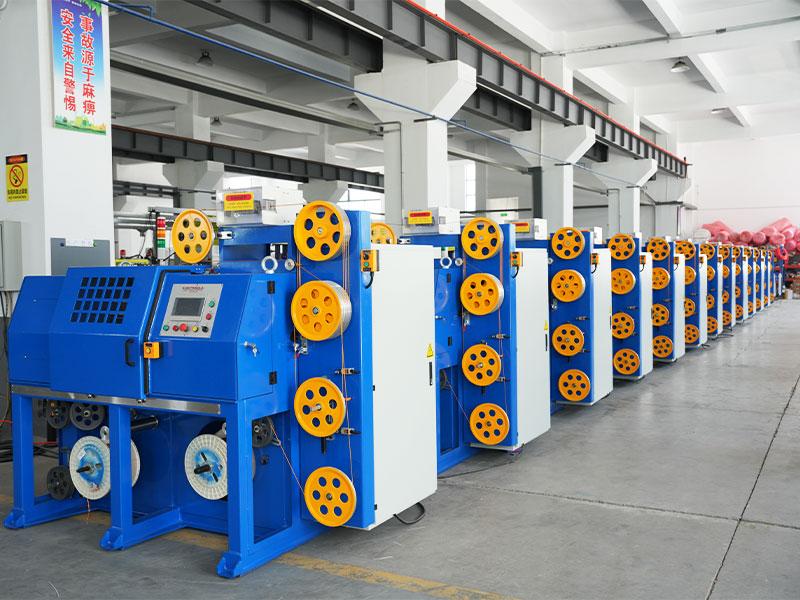
Industries That Rely On Wire Coiling Equipment Daily
Welding Consumables
MIG wire, submerged arc wire, and flux-cored wire all ship as banded coils, drums, or spools, and coil consistency directly affects how smoothly the wire feeds through a welding torch.
Spring Manufacturing
Raw spring wire arrives pre-coiled for storage and transport before it goes through a separate spring-forming process, so coil uniformity reduces feed jams at the forming machine.
Fencing And Construction Wire
Barbed wire, tie wire, and rebar tie coils are produced at high volume with an emphasis on coil weight accuracy for cost control on thin margins.
Cable And Conductor Wire
Copper and aluminum conductor wire is coiled between drawing passes, where gentle handling matters to avoid surface scoring that would affect conductivity down the line.
Fastener And Nail Wire
High-speed nail-making lines pull directly from coils, so coil pay-off behavior has to be smooth enough that the downstream header does not stall.
Wire Mesh And Netting
Coils feed straight into mesh weaving or welding equipment, where dimensional consistency prevents mesh pattern drift across a production run.
Automotive Wiring Components
Smaller diameter wire used in automotive harness manufacturing benefits from precision layer winding, since tangled pay-off translates directly into slower harness assembly line speeds.
Agricultural Wire Products
Baling wire and general agricultural tie wire are produced at high volume where coil weight consistency helps farms and distributors plan usage without guesswork.
Electrode And Filler Metal Production
Fine diameter filler wire for specialty welding processes depends heavily on tight coiling tolerance since even small tension variation affects arc stability during use.
Maintenance Habits That Extend Machine Life
Daily
Wipe down the coiling head and check for wire debris in the guide rollers; a build-up of fine metal shavings is the most common cause of surface scratching on finished coil.
Weekly
Inspect tension sensors and dancer arm pivots for smooth movement, and confirm the pneumatic cutting shear still produces a clean cut without burrs.
Monthly
Grease spindle bearings per the manufacturer's schedule, check drive belt tension, and re-run a calibration coil to confirm turn count and length measurement are still within tolerance.
Quarterly
Check alignment between the coiling head and the takeaway conveyor or Wire Taping Machine infeed, since even a small offset here causes coils to jam or tape to land off-center.
Annually
Have a full inspection of drive motor windings, gearbox oil condition, and encoder accuracy performed, since these components degrade slowly and are easy to overlook until output quality has already drifted.
Keeping a simple maintenance log by machine, rather than relying on memory, makes it far easier to spot a slow decline in performance before it turns into an unplanned stoppage. Many plants find that a printed checklist near the machine, checked off at shift change, catches small issues days or weeks before they would otherwise surface as a quality complaint.
Troubleshooting Common Wire Coiling Machine Problems
| Symptom | Likely Cause | First Fix To Try |
|---|---|---|
| Coil comes out loose or oval | Inconsistent wire tension | Recalibrate the dancer arm or tension sensor |
| Coil weight drifts from target | Worn encoder wheel or slippage | Clean and inspect the measuring wheel contact surface |
| Wire scratches or surface marks | Debris in guide rollers or misaligned dies | Clean rollers and check die alignment |
| Tape wraps land off-center on coil | Misalignment between coiler output and Wire Taping Machine infeed | Re-check conveyor or turntable alignment |
| Machine stalls mid-cycle | Overloaded drive motor or jammed cutting shear | Reduce load, inspect shear blade for burrs or debris |
| Wire jumps or skips during winding | Worn guide roller bearings or belt slippage | Inspect and replace worn guide roller bearings |
| Coil layers cross or overlap unevenly | Traverse mechanism out of sync with spindle speed | Recalibrate traverse timing against spindle rotation |
What Is Changing In Wire Coiling Technology Right Now
Buyers are also asking more often for quick-change tooling that lets one machine cover a wider wire diameter range without a lengthy mechanical changeover, since smaller batch runs and more frequent product changeovers have become more common across wire and cable manufacturing.
Data connectivity is another area seeing steady change. Rather than a standalone control panel, newer machines increasingly log coil count, cycle time, and tension trend data to a shared plant network, letting a maintenance team spot a slowly drifting sensor across several machines at once instead of waiting for each machine to individually flag a fault. This kind of visibility is becoming a differentiator between suppliers even when the core mechanical coiling performance is similar.
Energy use during idle time is also getting more attention, with servo systems that can drop to a low-power holding state between cycles rather than running the drive motor continuously, which adds up across a multi-machine line running extended shifts.
Manual, Semi-Automatic, And Fully Automatic Coiling Compared
| Configuration | Approx. Output Per Shift | Operator Requirement |
|---|---|---|
| Manual coiling | 40 to 60 coils | 1 full-time operator per station |
| Semi-automatic coiler | 150 to 400 coils | 1 operator, part-time attention |
| Fully automatic coiling and taping line | 400 to 1,200 coils | 1 operator overseeing multiple machines |
The gap between semi-automatic and fully automatic often comes down to how much operator attention the taping and ejection steps still need. A semi-automatic line typically requires a person to manually trigger or assist the taping step, while a fully automatic line handles that transition without operator input, freeing that person to oversee two or three machines at once instead of standing at a single station.
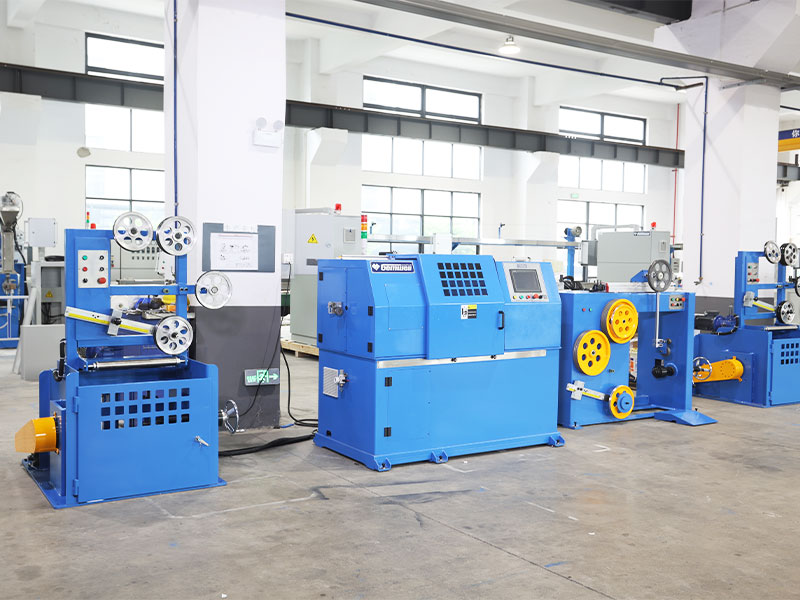
Evaluating A Supplier Or Factory Before Placing An Order
Since most coiling machines are ordered as capital equipment meant to run for years, evaluating the supplier matters as much as evaluating the machine specification sheet.
Ask For A Live Trial Run
A video or in-person trial using your actual wire sample reveals far more than a catalog specification, since coiling behavior changes with material hardness, surface coating, and even the specific supplier of your raw wire.
Check Spare Parts Lead Time
Ask directly how long it takes to get a replacement tension sensor, coiling head bearing, or cutting shear blade, and whether the supplier keeps common wear parts in stock locally rather than shipping from overseas on demand.
Confirm After-Sales Support Structure
Understand whether technical support is available by video call, whether a technician can travel on-site if needed, and what response time to expect if the machine goes down mid-production.
Review Past Installations In Similar Applications
A supplier with several existing installations in your specific wire type and coil weight range is generally a safer bet than one whose experience is concentrated in a very different product category.
Common Mistakes Buyers Make When Specifying A Coiling Machine
- Sizing the machine only for the current best-selling wire diameter instead of the full range the plant actually runs across the year.
- Underestimating floor space by only measuring the coiling head footprint and forgetting infeed straightening and outfeed taping sections.
- Choosing top rated speed as the main decision factor while ignoring changeover time, which often matters more in a multi-product plant.
- Skipping a trial run with the plant's actual wire and relying only on a supplier's demonstration video using a different material.
- Overlooking spare parts availability until after the machine is already installed and a wear part fails for the first time.
- Treating the coiler and Wire Taping Machine as an afterthought pairing rather than planning both together from the start of the project.
Cost Factors And Return On Investment
3 to 5x
Faster cycle time when taping is automated instead of hand-tied
0.5%
Typical length measurement accuracy on a well-maintained coiler
2 to 3 yrs
Common payback window for plants replacing manual coiling with automated lines
Beyond the purchase price, buyers should weigh energy consumption of the drive motor, cost and lead time of spare parts such as bearings and tension sensors, and how much floor space a combined coiling and Wire Taping Machine cell needs compared with two separate stations connected by a conveyor. Plants that run multiple wire diameters should also price in changeover time as a recurring cost, since a slow changeover eats into daily output even if the machine's rated speed looks strong on paper.
Labor reallocation is another part of the return calculation that gets missed. Replacing two or three manual coiling stations with one automated line does not just cut headcount, it frees experienced workers to move into roles like quality inspection or machine oversight, where their judgment adds more value than repetitive manual winding ever could.
Frequently Asked Questions
What wire diameters can a typical wire coiling machine handle?
Most machines are built for a defined range rather than one fixed size. Small duty machines commonly cover 0.2 to 1.6 mm, medium duty units handle 1.6 to 6.0 mm, and heavy duty coilers are built for 6.0 to 16 mm or beyond, depending on the coiling head and drive sizing.
Do I need a separate Wire Taping Machine, or can it be built into the coiler?
Both setups exist. Some plants run the coiler and taping unit as one combined cell sharing a base frame and control system, which reduces floor space and handling. Others keep them as separate machines linked by a conveyor, which gives more flexibility if coil sizes vary widely.
How often should tension sensors be recalibrated?
A monthly calibration check against a known reference coil is a reasonable baseline for most plants, with more frequent checks if the machine runs multiple wire types or gauges in rotation, since each change in material stiffness affects how the sensor reads tension.
What causes coils to come out loose after taping?
This is usually a tension issue upstream at the coiling head rather than a taping problem. If the coil itself is not wound tightly and consistently, no amount of tape adjustment downstream will fully correct it, so the coiling head tension settings should be the first thing checked.
Can one machine coil different wire materials, such as steel and copper, without major changeover?
Many machines can handle a range of materials with only tension and speed adjustments, since the core mechanics of winding do not change. Softer materials like copper generally need lower tension settings than harder spring steel to avoid surface deformation.
How much floor space does a combined coiling and taping line need?
This varies with coil size and machine model, but as a general planning figure, a mid-size combined line handling coils up to roughly 250 kg typically needs a footprint in the range of 4 to 7 meters in length, including infeed and outfeed conveyor sections.
How long does a coiling head typically last before major parts need replacing?
With regular greasing and bearing inspection on the schedule outlined earlier in this guide, a coiling head bearing assembly commonly runs for several years of continuous production before needing replacement, though exact life depends heavily on wire material hardness and running speed.
Is servo drive always better than a standard AC motor with an inverter?
Not necessarily for every application. Servo drives offer finer speed and position control, which benefits precision layer winding and combination lines with tight taping synchronization, but a well-specified AC inverter system is often perfectly adequate for simpler ring coiling of heavier gauge wire where ultra-fine control is less critical.
What is the biggest factor in how many coils a machine can produce per shift?
Changeover frequency usually has a bigger impact than top rated speed for plants running multiple products, since a machine that changes over quickly between wire sizes keeps more of the shift in active production time compared with one that runs faster but sits idle longer during setup.
Should tape width be the same across all coil sizes produced on one line?
Not always. Larger, heavier coils generally benefit from wider tape or additional taping points to prevent the coil from springing open, while smaller, lighter coils can often be secured adequately with narrower tape and fewer wraps, so many plants keep more than one tape width on hand.
 Related Products