E-mail: info@gem-cablesolution.com
 Address: No.8 Yuefeng Rd, High Tech Zone, Dongtai, Jiangsu, China | No.109 Qilin East Rd, Daning, Humen, Dongguan, Guangdong, China.
 English
  English
 русский
 日本語
日本語 Español
 عربى
عربى 中文简体
中文简体 Product Category



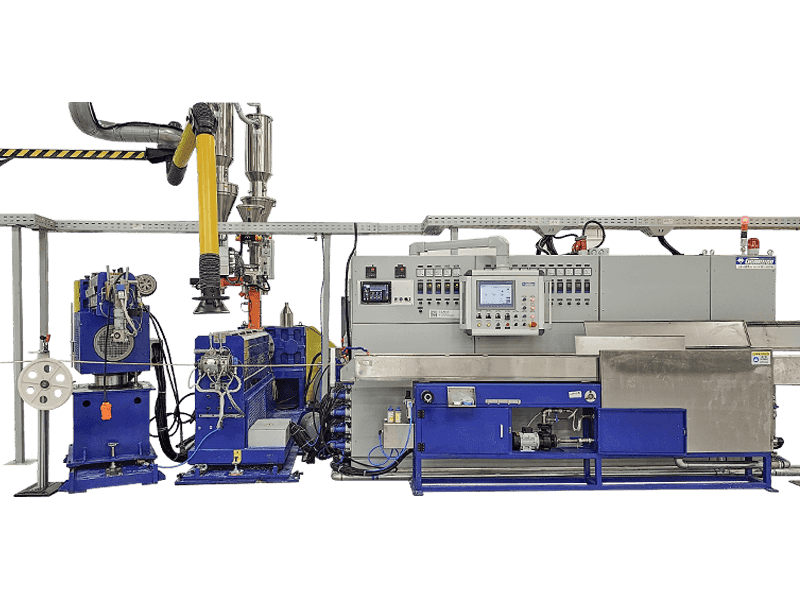

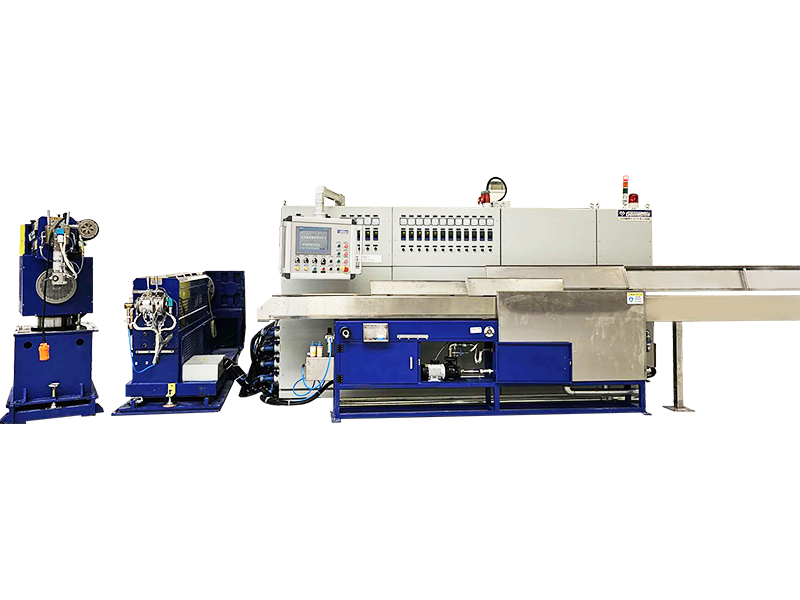
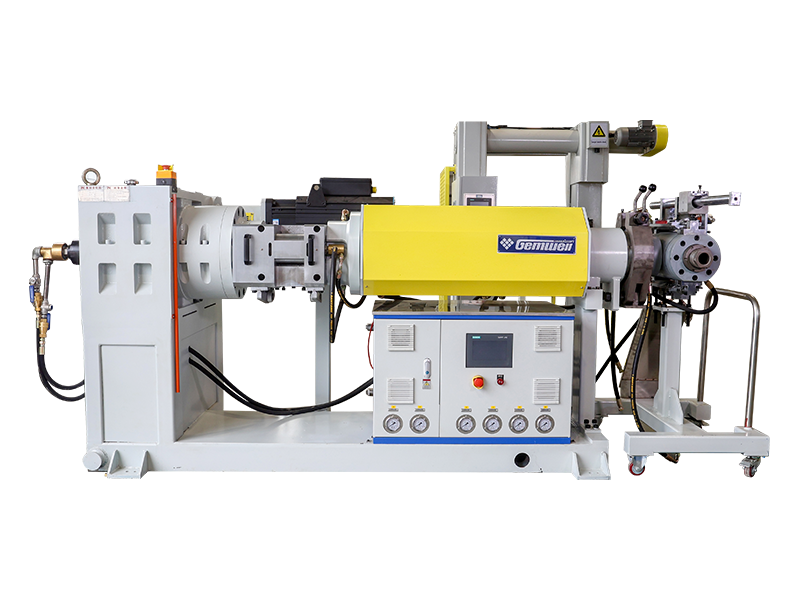
Sheath extrusion is to cover the twisted wire with an annular sleeve. The sheath layer plays an important role in fixing the internal physical structure of multi-stranded core wires and providing external insulation protection. The outer sheath layer of cable is in direct contact with external objects. Its mechanical strength, electrical characteristics, environmental protection, fatigue resistance, weather resistance, etc. vary depending on the application field. In order to meet the need requirements, the commonly used sheath extrusion has the following types: according to the different environmental protection requirements of the sheath material, it is divided into environmentally friendly non-toxic material extrusion and non-environmental protection material extrusion; according to the different fire resistance and flame retardant requirements of the sheath layer, it is divided into low smoke halogen-free flame retardant extrusion and non-flame retardant material (i.e. conventional material) extrusion; according to different voltage levels, it is divided into small-sized low-voltage wire outer sheath extrusion, and large medium high-voltage power cable outer sheath extrusion. According to the different solidization molding processes of the sheath layer after extrusion, it is divided into ordinary water tank cooling molding and high-temperature drying tunnel irradiation cross-linking molding (or other cross-linking methods). According to different wire application fields, it is divided into wire sheath extrusion and cable sheath extrusion.

Establishment time

Building area (m²)

Number of employees

Intellectual property
A Mature Factory You Can Count On
 2026-09-21
 Webmaster
.article-section{margin-bottom:40px;font-size:16px;line-height:2;color:#333;} .article-section p{font-size:16px!important;line-height:2;margin-bottom
Read More +
2026-09-17
Webmaster
GEMWELL bring the most updated machine technical solutions for High Speed Copper Cable production here in Suzhou, China.Highlights: • Core wire
Read More +
2026-09-14
Webmaster
A high power wire extruder is the backbone of any cable plant that produces large-diameter or high-throughput wires. Unlike standard extruders, these
Read More +
2026-09-07
Webmaster
What Bunch Stranding Means Bunch stranding is a conductor construction method where two or more bare wires are twisted together in a single operation
Read More +
2026-09-04
Webmaster
About GEMWELLWe sincerely look forward to welcoming you at, Hall E2, Booth No.A41and will spotlight our latest solutions across three core technology
Read More +
A Wire and Cable Sheath Extrusion Machine is the line that puts the outer jacket on a finished cable core. It takes the insulated or bundled conductors, wraps them in a layer of molten thermoplastic such as PVC, PE, a halogen-free compound or nylon, cools that layer, measures it and winds the cable onto a reel. The line covers the pay-off, extruder, crosshead, cooling trough, haul-off and take-up, so a sheathing line is judged less by the extruder alone than by how well every unit holds together at speed. This article walks through how the line works, how to match settings to the compound, and what to check when the jacket does not come out right.
The sheath is the last layer added to a cable, and it hides nothing. Any wobble in tension, melt pressure or cooling shows up in the outer diameter and the surface finish. A sheathing line is really a chain of six jobs:
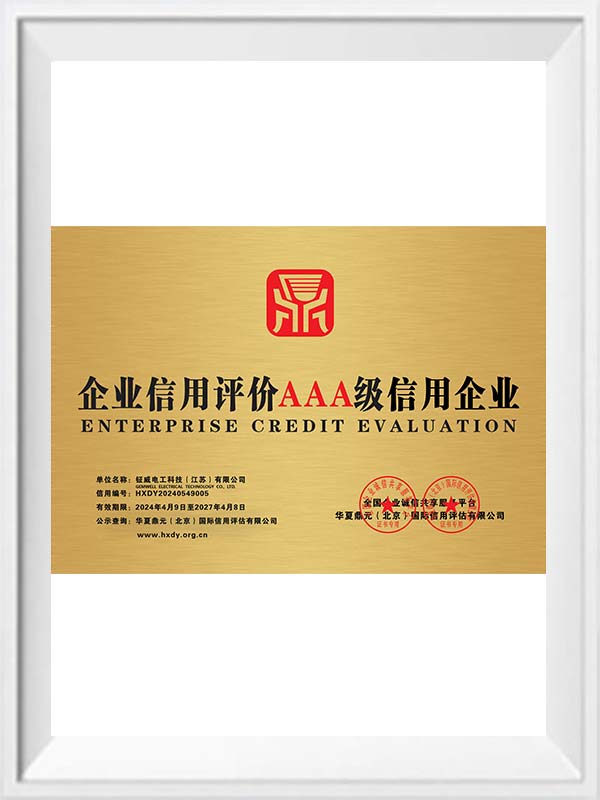
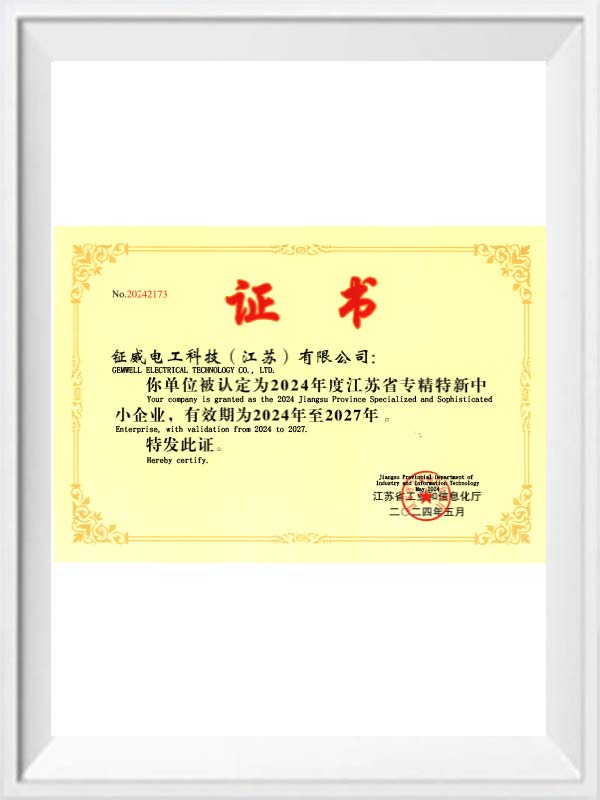
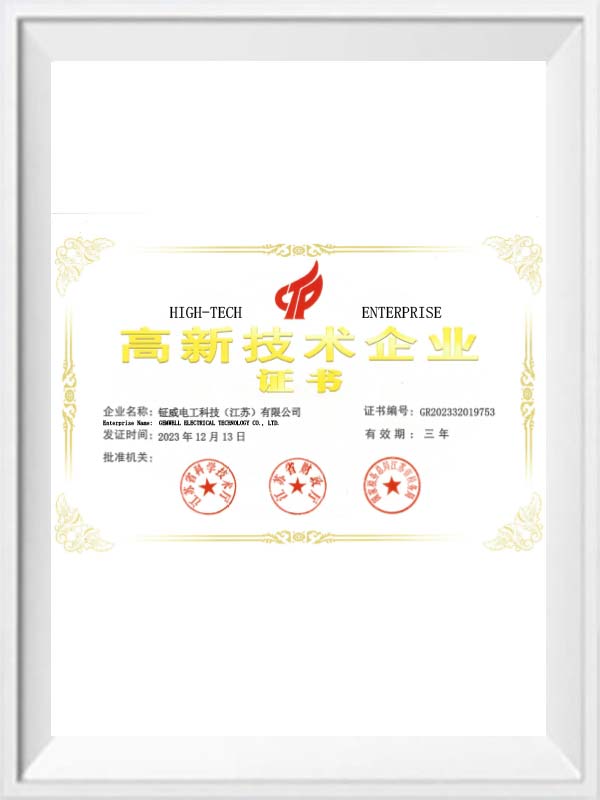
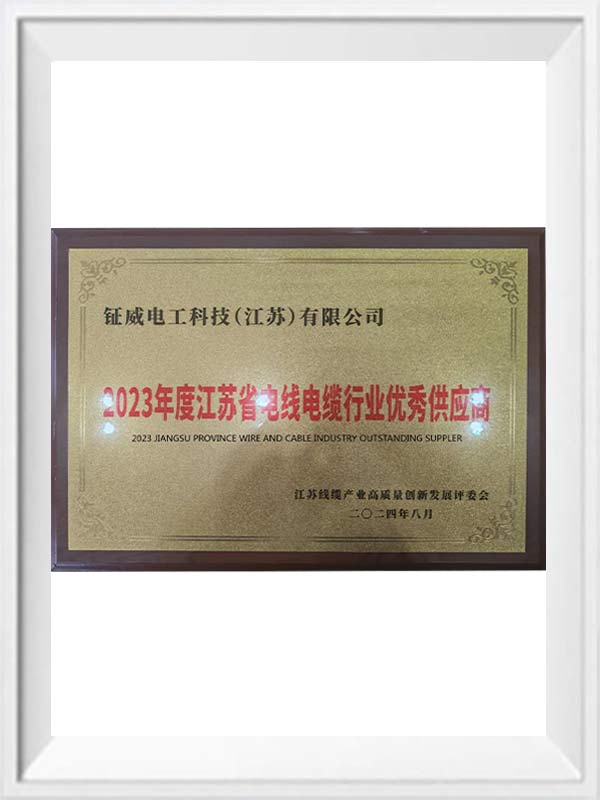
Gemwell Electrical Technology Co., Ltd has a technical team that runs from the design department through to the product department, with 26 years of experience in the wire and cable machinery industry. That matters here because a sheathing fault rarely stays inside one unit. A wall thickness complaint can come from the pay-off, the die or the haul-off, so it helps to have people who understand the whole line rather than one part of it.
Extruder barrels are normally set with a rising profile: cooler at the feed and warmer toward the die, so the compound melts gradually instead of being shocked. The chart below shows an illustrative profile for PVC and for PE. Use it as a starting point and take the final set-points from your compound supplier's datasheet.
Illustrative barrel temperature profiles in degrees Celsius, based on typical processing ranges for each material. Actual set-points depend on the compound grade, screw design and line speed.
Compound choice changes more than what goes into the hopper. Each material melts, flows and cools in its own way, and the screw, temperature zones and cooling section all have to follow. Gemwell Electrical Technology Co., Ltd was founded in 2005 and designs, manufactures and sells wire and cable equipment to customers in more than 40 countries, among them the United States, Canada, Mexico, Germany, Italy, India, Thailand and Russia. Customers in those markets run quite different compounds and cable constructions, so a line that only suits one material has limited use. A quick summary of the four most common jacket materials:
General qualitative comparison on a 1 to 5 scale, where 5 is strongest. Scores are relative and reflect typical behavior; specific formulations vary.
PVC: 150-185°C
LSZH: 140-180°C
PE: 160-220°C
Nylon: 220-260°C
Approximate melt processing ranges in degrees Celsius, drawn on a scale from 120 at the left edge to 280 at the right edge. Always follow your compound supplier's datasheet.
When you are ready to compare configurations for a particular compound, our Wire and Cable Sheath Extrusion Machine page shows the range we build.
Most jacket defects that reach a customer trace back to two areas: how the sheath was cooled and how the core was fed. Thick PE walls are a good example. If the outer skin freezes in cold water straight away, the inside cools later and shrinks behind it, which can leave voids or built-in stress. Stepping the water temperature down through several troughs lets the wall set more evenly.
Illustrative water temperatures for a four-trough cooling section on a thick polyethylene sheath. Actual settings depend on wall thickness and line speed.
| Symptom | Likely cause | First check |
|---|---|---|
| Rough, shark-skin surface | Melt or die too cold, or line speed too high for the compound | Die temperature and screw speed |
| Bubbles or voids in the wall | Moisture in the compound, or overheating | Material drying and barrel temperature |
| Uneven wall thickness | Crosshead centering off, or unsteady core tension | Centering adjustment and pay-off tension |
| Diameter varies along the cable | Screw speed and haul-off speed not matched | Speed synchronization and gauge feedback |
None of these checks are exotic, which is why commissioning deserves real time. Before it ships, every machine from Gemwell Electrical Technology Co., Ltd goes through a rigorous week-long testing and calibration process to ensure good stability and performance, so the basics above have already been worked through before the machine reaches your floor.
Usually the melt is running too cold, or the compound is being sheared harder than it likes. Raise the die temperature in small steps, confirm the compound is dry and check that the die land is clean before touching screw speed. If the surface only breaks up beyond a certain speed, that speed is often the practical limit for that compound and die.
Choose tubing if the jacket has to strip easily and sit loosely around the core. Choose pressure tooling if the cores are stranded together and the gaps should be filled to give a round, compact cable. The answer depends on the cable construction, so settle it before the machine is specified.
It can, but plan for purging between materials and for different temperature settings. A screw that suits PVC is not always the best choice for PE, so tell us every compound you expect to run when you discuss the machine.
Gemwell Electrical Technology Co., Ltd commits to a 24-hour response when a customer reports a problem with a machine. Each machine carries a one-year quality guarantee, and lifelong service support continues after that period ends.
Yes. We welcome agents who set up companies to sell our machines on our behalf, for mutual benefit. Send us the details of your market and we can talk through how it would work.
Our approach comes down to technological innovation, stable quality, precision manufacturing and considerate service, with every detail done well. When a customer succeeds, so do we.

 Custom Wire and Cable Sheath Extrusion Machine Manufacturers